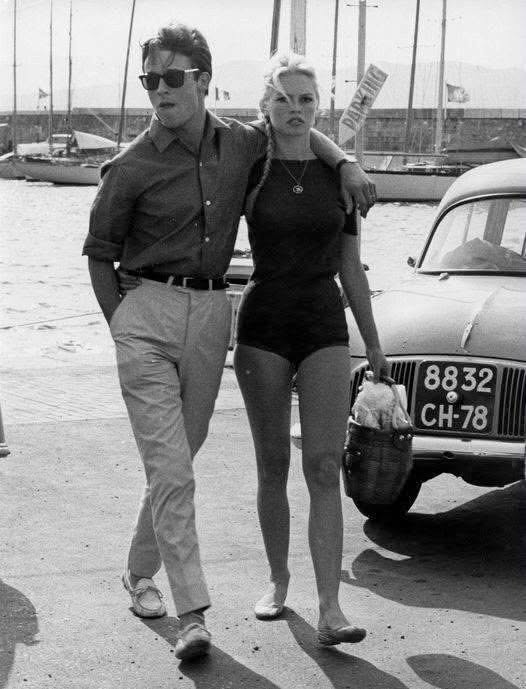
Brigitte Bardot: From French Cinema Icon to Dedicated Animal Rights Advocate
Brigitte Bardot became one of the most recognizable figures of French cinema during the 1950s and 1960s. Born on September 28, 1934, in Paris, she initially pursued ballet before turning her attention to acting and modeling. Her combination of screen presence, distinctive style, and international popularity eventually made her an influential figure in popular culture.
From Ballet to the Big Screen
Bardot studied ballet at the Conservatoire de Paris before beginning a career in modeling and entertainment. Her early appearances in French films helped establish her as a promising young actress, but her international breakthrough came with the 1956 film And God Created Woman.
Directed by Roger Vadim, who was Bardot’s husband at the time, the film attracted significant international attention. Bardot’s performance and the movie’s portrayal of relationships and personal freedom contributed to her growing reputation beyond France.
The success of the film helped establish what became known internationally as “Bardot-mania.” Her distinctive appearance and fashion choices also influenced popular culture, turning her into a major style figure of the era.
A Successful Film Career
During her acting career, Bardot appeared in more than 40 films. Among the best-known were Contempt (1963), directed by Jean-Luc Godard, and Viva Maria! (1965), in which she appeared alongside Jeanne Moreau.
Although Bardot became closely associated with the glamorous image of 1950s and 1960s cinema, her career included a variety of roles and collaborations with prominent European filmmakers.
Her growing fame also brought intense attention from the international press. The constant public interest in her appearance and private life became a significant part of her experience as one of the era’s most famous actresses.
Leaving Cinema Behind
Bardot gradually became less interested in continuing her film career and retired from acting in 1973 at the age of 39.
Rather than continuing to pursue celebrity status, she increasingly focused her time and resources on animal welfare. Her decision marked a major change in the direction of her public life.
A New Focus on Animal Welfare
In 1986, Bardot established the Brigitte Bardot Foundation, an organization dedicated to animal welfare and protection.
Through the foundation and her public advocacy, she has supported campaigns concerning animal treatment, wildlife protection, the fur trade, and the conditions in which livestock are raised and handled.
Animal welfare became a defining part of Bardot’s later public identity. Her activism has also generated significant public attention and debate, demonstrating how strongly her interests had shifted from entertainment toward advocacy.
A Lasting Cultural Legacy
Brigitte Bardot’s career represents several distinct chapters. She began as a ballet student, became an internationally recognized film actress, influenced fashion and popular culture, and eventually devoted much of her public life to animal welfare.
Her influence on cinema and style remains associated with the cultural changes of the mid-20th century, while her later work reflects a different form of public engagement.
For many people, Bardot remains best known for her films and distinctive image. For others, her most important contribution has been her long-standing involvement in animal protection.
Whatever aspect of her career receives the most attention, her journey from Parisian ballet student to international film star and animal welfare advocate has made her a notable figure in modern cultural history.