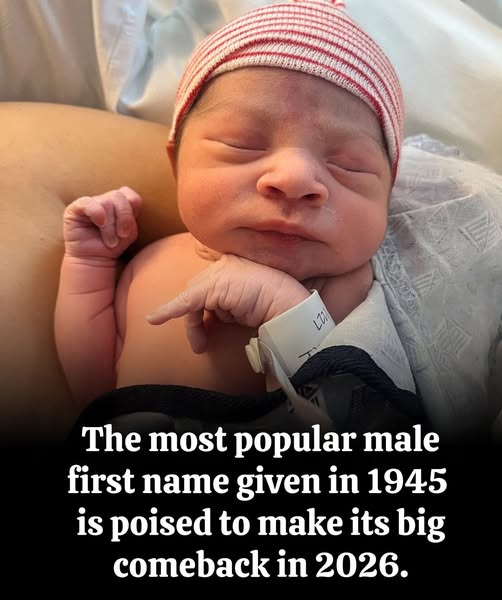
Each year, baby-naming trends quietly evolve, reflecting broader shifts in culture, values, and collective mood. At times, parents gravitate toward bold creativity—invented names, unusual spellings, or sounds designed to be unmistakably unique. In other moments, globalization takes the lead, encouraging names that feel modern, adaptable, and easily recognized across borders. As we move toward 2026, however, naming authorities and registries are pointing to a noticeable reversal of direction. Rather than looking ahead or outward, many new parents are turning inward—toward history—reviving names that once seemed permanently confined to earlier generations.
One particular name stands out within this renewed fascination with the past. Once strongly associated with grandparents and great-grandparents, it is now reappearing with unexpected confidence. That name is Marcel.
The return of historically rooted names is not sudden or accidental. Over the last several years, names long labeled as outdated—such as Colette, Eugène, Augustin, and Léonie—have gradually re-entered common use. Their appeal lies not only in their sound but in what they represent. These names feel anchored, stable, and time-tested. In a world marked by rapid digital change and constant reinvention, many parents are drawn to choices that convey reliability and continuity. A traditional name can offer a sense of belonging, connecting a child to something larger than the present moment without feeling artificial or excessive.
By 2026, Marcel is expected to become a leading symbol of this “modern classic” movement. For decades, the name evoked images of a slower era—workshops, handwritten letters, and black-and-white photographs. Its long absence from popularity charts has worked in its favor, stripping away dated stereotypes and allowing it to be rediscovered with fresh eyes. Today, Marcel feels warm, distinctive, and genuine—qualities that resonate strongly with contemporary parents.
The emotional logic behind this nostalgic preference is deeply human. Naming a child is an act filled with meaning, memory, and intention. For many younger parents raised in an increasingly virtual environment, there is a growing desire for authenticity—things that feel solid and real. Marcel carries that sense of lived experience. It suggests kindness, depth, and quiet confidence. Rather than demanding attention, it earns it naturally, evoking characters from literature, family histories, or moments that feel personal and sincere.
Another reason for Marcel’s appeal is its balance. It is refined without being showy, distinctive without being difficult. The name is straightforward to spell and pronounce, practical for everyday life, yet still elegant in tone. At a time when some names feel more like branding exercises than personal identifiers, Marcel offers simplicity and restraint. It gives space for individuality, allowing the person to shape the name—not the other way around.
From a cultural perspective, Marcel also travels well. Though rooted in French tradition, it is widely recognized and respected across languages and regions. Unlike trend-heavy names that are quickly tied to a specific decade, Marcel feels timeless. It would not seem out of place in the past, present, or future—a quality increasingly valued by parents who consider how a name will age over a lifetime.
Its rising popularity also reflects changing ideas about masculinity. There is a clear movement away from harsh or overly dominant-sounding names, replaced by those that suggest intelligence, empathy, and emotional depth. Marcel fits this shift perfectly: gentle in sound, strong in history, and quietly assured. It represents a form of strength that is thoughtful rather than loud.
Looking ahead to 2026, naming choices appear more intentional than ever. Parents are selecting names as expressions of values, hoping to blend heritage with possibility. In this light, Marcel’s return is not merely a trend—it is a statement. It favors meaning over novelty, substance over spectacle, and continuity over fleeting fashion.
While naming trends will always change, the renewed popularity of Marcel demonstrates that classic names never truly disappear. They wait, patiently, for the moment when the world is ready to appreciate them again. For the parents of 2026, Marcel is not just a revival—it is a beginning, offering a name rich with history and open to the future.