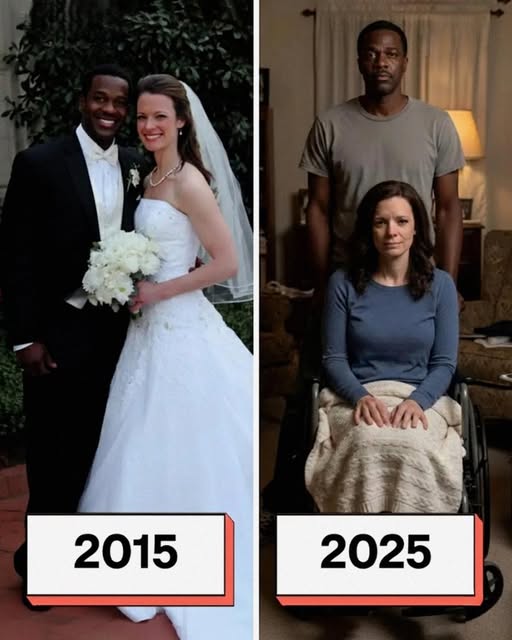
I’m 35, and before the accident, I was the one running our household. I handled bills, cleaned, cooked, scheduled appointments, dealt with insurance, and made sure everything ran smoothly. My husband… avoided responsibilities.
“Can you just handle it?” he’d say with a grin, as if he were doing me a favor. “You’re better at this.”
When he changed jobs or wanted breaks, I adjusted. I picked up extra hours, reorganized finances, and made everything work quietly, convincing myself this is what marriage looked like—one person carries more sometimes, and it balances out.
We’d been together ten years. I believed our bond was strong.
Then I got into a serious car accident.
Life in a Wheelchair
I don’t remember the crash itself—just a green light, and then the bright, sterile glare of the hospital ceiling. I survived, but my legs were badly injured. Not paralyzed, but weak enough that I couldn’t stand or walk on my own.
The doctors outlined the plan: six to nine months of physical therapy, with help needed for transfers, bathing, and walking. Temporary, they said. But temporary didn’t feel simple.
I had always been independent—the helper. Now I was the one asking for help.
When Your Spouse Puts a Price on Love
At home, he was technically helping. Meals, showers, transfers—but every move felt forced, like a chore to check off before returning to his own life.
Then came the bombshell. One evening, he said:
“You’re going to need constant help. I didn’t sign up to be a nurse. If you want me to take care of you, I want to be paid. A thousand dollars a week.”
I was stunned. My own husband wanted payment to help me after I’d survived a life-changing accident.
“You’ve earned more than I have over the years,” he explained. “Now it’s your turn to pay. I’m not your nurse.”
Paying for Care, Getting Contempt
I had no choice—my mother lived far away, my sister worked nights. So, I complied. Every Friday, a thousand dollars.
But the care I received was minimal at best. Showers rushed. Meals left unattended. Requests met with sighs. I felt trapped in my own home, dependent and humiliated.
Meanwhile, he spent hours on his phone, left the house under the guise of errands, and ignored calls for help.
The Betrayal I Discovered
One night, I found messages on his phone. He was joking with a friend of mine, mocking the money I sent and laughing about “dates” while I recovered. The realization hit hard: paying him didn’t buy care. It bought humiliation.
Reclaiming My Life
I stopped trusting him, documented everything, and contacted my sister and a lawyer. My sister moved in, providing genuine care, support, and companionship. Together, we gathered screenshots, messages, and proof of his betrayal.
Then came the moment of truth: I presented him with divorce papers, evidence of infidelity, and proof of his exploitation. He pleaded, begged, and cried, but it didn’t matter.
“I survived a car accident. I survived losing independence. I survived paying my husband to mock me. I will survive without you,” I told him.
Recovery and Real Love
With my sister’s support, I rebuilt my life. I celebrated every milestone in physical therapy, reclaimed my dignity, and regained independence.
Walking across the living room with just a cane wasn’t just a physical victory—it symbolized emotional and personal empowerment.
I learned something essential: true love never comes with an invoice. Anyone who values you only when you’re convenient, profitable, or easy never truly loved you—they loved what you could provide.