Sexual attraction is often described as something permanent — a core trait that stays consistent throughout a person’s life. But for many people, attraction is not fixed. It can shift, fade, return, and transform over time. This experience, though frequently misunderstood, is known as abrosexuality.
While the term may be unfamiliar to some, it has become an important part of LGBTQ+ education and identity awareness. For individuals who experience changing patterns of attraction, having a name for that experience can bring long-awaited clarity and emotional relief.
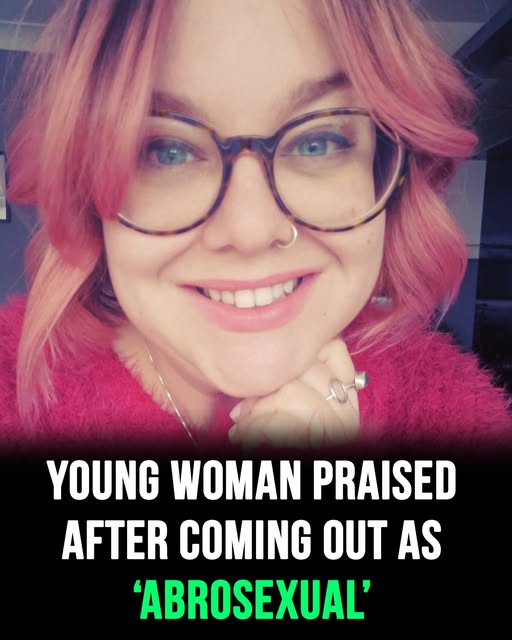
Writer Emma Flint recently shared her personal story after spending more than 30 years trying to understand her own sexual identity. Her journey reflects the challenges many people face when their lived experiences don’t align with traditional labels.
Living Without the Right Words
For decades, Flint felt pressure to define herself within narrow categories. Like many others, she believed she needed to settle on one clear and permanent sexual orientation. Instead, she found herself repeatedly questioning why her feelings didn’t remain the same.
At different stages of her life, Flint identified as a lesbian, a label that felt accurate during periods when her attraction toward women was strong. But over time, those feelings changed. There were moments when she felt attracted to men, followed by stretches where her sexual attraction disappeared entirely.
These shifts didn’t follow a predictable timeline. Weeks, months, or even years could pass before her attraction evolved again. Without a framework to understand this pattern, Flint began to doubt herself rather than the rigid definitions around her.
Emotional Impact of Sexual Fluidity
Flint described feeling emotionally disconnected and uncertain, not because she lacked self-awareness, but because her identity was constantly evolving. She worried that others might view her as inconsistent or dishonest, when in reality she was experiencing natural sexual fluidity.
She compared the feeling to being “lost at sea,” unsure where she belonged. The emotional strain came from trying to force stability onto something that was, by nature, fluid.
Everything changed when she encountered the term abrosexual through an online community discussion. The word didn’t erase her past identities — it explained them.
What Abrosexuality Means
Abrosexuality is a sexual identity that describes fluctuating attraction over time. Unlike bisexuality or pansexuality, which focus on attraction to multiple genders, abrosexuality refers to how attraction itself changes.
An abrosexual person may experience periods of attraction to one gender, multiple genders, or no gender at all. These phases can shift gradually or suddenly, and there is no set pattern that defines the experience.
For some, attraction changes daily. For others, each phase can last months or years. Some also experience periods of asexuality or low sexual desire. This variation is what makes abrosexuality deeply personal — and often misunderstood.
Facing Misunderstanding and Social Pressure
One of the most difficult parts of Flint’s journey was not internal confusion, but external expectations. Even after explaining her identity, she often encountered pressure to “pick one label” to make others more comfortable.
This discomfort with fluid identities can lead to dismissal or skepticism, with some viewing them as temporary or attention-seeking. Flint challenges that narrative, emphasizing that personal growth often involves change — and change does not invalidate authenticity.
From a mental health perspective, experts agree that understanding and accepting one’s evolving identity can significantly improve emotional well-being and self-esteem.
The Importance of Representation and Language
For years, Flint believed something was wrong with her because she didn’t fit neatly into existing categories. Discovering the term abrosexual allowed her to replace shame with understanding.
Having language to describe lived experiences is crucial. Without it, many people struggle in silence, believing they are alone. Visibility and education around diverse sexual identities help create a more inclusive and supportive society.
Flint hopes her story encourages others to explore their identities without fear or self-judgment.
Redefining Identity on Personal Terms
Rather than focusing solely on labels, Flint emphasizes meaningful relationships, emotional connection, and self-acceptance. While her sexual attraction may shift, her values and capacity for love remain consistent.
Her story reflects a broader cultural movement toward recognizing that identity is not always static. As awareness grows, more people are finding the confidence to share their stories and live authentically.
A Journey Toward Self-Acceptance
Attraction does not follow a single path for everyone. For some, it is fluid, evolving with time and experience. Abrosexuality offers a sense of belonging to those whose identities change rather than settle.
As conversations around sexual identity and mental health continue to expand, the goal remains the same: to create a world where every person feels seen, respected, and at peace with who they are — exactly as they are, in that moment.