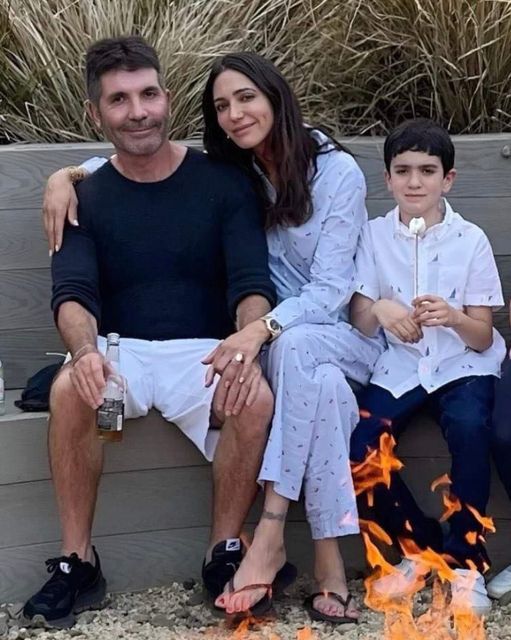
No matter how someone feels about Simon Cowell as a television personality, it’s hard to deny that the past few years have forced him into decisions no one would wish for. The music mogul and reality TV judge, long known for his sharp critiques and unshakable confidence, has quietly gone through one of the most challenging chapters of his life — one that reshaped his health, his mindset, and his role as a father.
For decades, Cowell projected an image of total control. As a central figure behind global hits like American Idol and America’s Got Talent, he built a reputation as someone emotionally untouchable. But a series of serious accidents changed that perception entirely, revealing a far more vulnerable and reflective side of the entertainment executive.
A Life-Altering Accident at Home
The turning point didn’t happen on a television set or during a high-profile business deal. It happened at home in Malibu, during what was supposed to be a casual test ride on an electric bike. The power of the bike caught Cowell off guard, throwing him backward in a violent fall that resulted in a broken back.
The injury was severe. Emergency surgery lasted six hours, and doctors were forced to insert a metal rod to stabilize his spine. For the first time, the man known for commanding rooms around the world was focused on something far more basic: whether he would walk again.
Just over a year later, a second bike-related accident in London left him with a concussion and a broken arm. By then, his body carried the marks of repeated trauma — but the physical pain, he later admitted, was only part of the struggle.
The Hidden Battle: Mental Health and Fear
In recent interviews, Cowell has spoken candidly about the emotional toll of those injuries. Long resistant to therapy and open discussions around mental health, he found himself confronting fears he had never allowed himself to acknowledge.
What frightened him most wasn’t fame fading or work slowing down — it was the idea of becoming dependent on others. He worried about how his injuries might affect his ability to be present for his young son, Eric. Simple moments — walking freely, playing outside, kicking a ball — suddenly felt uncertain.
That realization pushed Cowell to seek professional help, marking a major shift in his outlook. Therapy became a key part of his recovery, helping him process not just physical limitations, but the loss of independence and identity that followed.
Family Support Changed Everything
Throughout his recovery, Cowell’s longtime partner, Lauren Silverman, played a crucial role. She encouraged him to be open about his struggles and supported him through the slow process of healing — both physically and emotionally.
But the most powerful influence came from his son.
Eric, with the innocent humor only a child can offer, began calling his father “Iron Man” because of the metal in his back. Instead of seeing weakness, he saw strength. What could have been a painful reminder of injury became a symbol of resilience.
That moment helped Cowell understand something important: his son didn’t need an invincible father. He needed one who was present.
A Shift in Priorities
Today, Cowell has openly confirmed what many fans had already noticed — his priorities have changed. The past few years weren’t just about rehabilitation; they forced him to reassess what truly matters.
Work no longer comes before everything else. He now values everyday moments: school routines, quiet mornings, time at home. The relentless pace that once defined his career has given way to a more balanced lifestyle focused on family and personal well-being.
Facing Fear Without Letting It Win
In a surprising move, Cowell has returned to bike riding — not recklessly, but carefully. This decision isn’t about ignoring past trauma; it’s about refusing to let fear dictate his future.
He now takes safety seriously, wears protective gear, and approaches life with a new awareness of risk. More importantly, he models resilience for his son, showing that setbacks don’t have to define a person’s limits.
A Different Kind of Legacy
Simon Cowell’s story is no longer just about chart-topping artists or hit television franchises. It’s about recovery, emotional growth, and the courage to admit vulnerability in the public eye.
By speaking openly about spinal injury recovery, depression, therapy, and fatherhood, he has offered something rare from a celebrity of his stature: honesty without performance.
The man once known solely for his tough exterior has evolved. He understands the value of slowing down, the importance of asking for help, and the power of showing up — even when it’s difficult.
Redefining Strength
Cowell’s journey proves that strength isn’t found in never falling — it’s found in getting back up with greater self-awareness. His decision to share his struggles wasn’t about publicity or image control. It was about stepping out from behind the persona he created and choosing authenticity instead.
In the end, the real “X Factor” isn’t talent or fame. It’s resilience, connection, and the ability to keep moving forward after life forces you to stop.
And by that measure, Simon Cowell has already won.