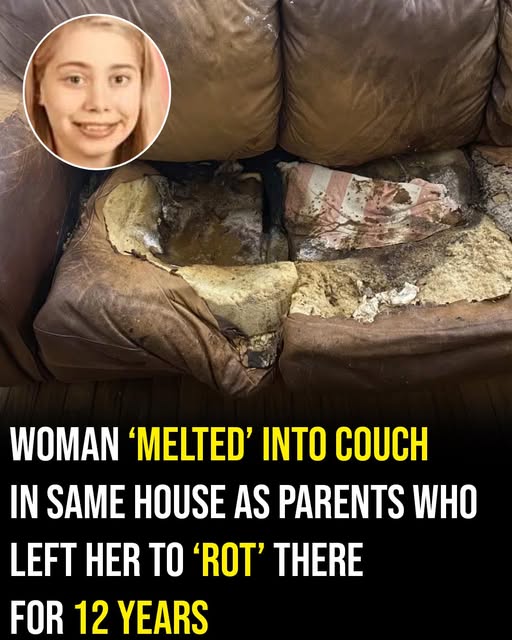
Some stories are so disturbing that they challenge our understanding of responsibility and care. This is one of those cases. Reader discretion is advised as this article discusses severe neglect involving an adult dependent with disabilities.
A tragic case out of Baton Rouge, Louisiana, continues to raise serious questions about caregiver responsibility, mental health support, and the legal consequences of long-term neglect. In 2022, authorities uncovered the heartbreaking death of 36-year-old Lacey Fletcher, a woman who had been left in a state of extreme dependency inside her parents’ home for more than a decade.
Parents Sentenced in Shocking Neglect Case
Lacey’s parents, Clay and Sheila Fletcher, were later sentenced to a combined 40 years in prison, with 20 years suspended, after being convicted in connection with their daughter’s death. Investigators determined that Lacey had remained confined to a couch for approximately 12 years without proper care, mobility assistance, or medical supervision.
Emergency services were contacted on January 3, 2022, when Sheila Fletcher called 911. Authorities believe Lacey had already passed away one or two days prior to the call.
According to West Feliciana Parish Coroner Dr. Ewell Dewitt Bickham III, the scene inside the home reflected prolonged and severe neglect. The condition of the environment and Lacey’s physical state indicated years of inadequate care. Medical findings later determined that the primary cause of death was starvation.
Authorities Describe an Unprecedented Scene
Officials described the discovery as one of the most distressing cases they had encountered. Sheriff Jeffery Travis stated it was “the worst” situation he had seen in his career.
Dr. Bickham explained that the parents’ reactions at the scene were markedly different, noting emotional detachment from the father and visible distress from the mother.
Investigators also confirmed that Lacey’s parents had been away on vacation during the weekend she died, raising further concerns about supervision and duty of care.
Missed Opportunities for Medical Intervention
According to authorities, Lacey Fletcher was believed to have autism and severe social anxiety. However, records revealed she did not have a consistent primary care physician or ongoing medical oversight.
In 2010, more than a decade before her death, the parents reportedly consulted a doctor without Lacey present, expressing concern that she had become increasingly isolated and unwilling to leave the couch or the home. The physician advised immediate hospital admission and further evaluation, but officials confirmed that no follow-up action was taken.
District Attorney Sam D’Aquilla, who handled the case at the time, stated that the failure to seek appropriate medical or residential care played a central role in the tragedy.
A Case That Highlights Caregiver Responsibility
“This case underscores the devastating consequences of ignoring mental health needs and disability care,” D’Aquilla said. “Proper intervention and support could have changed the outcome.”
Dr. Bickham echoed that message, urging families caring for individuals with mental health conditions or developmental disabilities to seek professional help and community resources rather than attempting to manage alone.
A Broader Conversation on Neglect and Accountability
Lacey Fletcher’s death has become a widely cited example in discussions around caregiver neglect, dependent adult abuse, and systemic failures in mental health support. Advocates say the case highlights the importance of early intervention, regular medical oversight, and accountability for caregivers entrusted with vulnerable individuals.
While no sentence can undo the loss of life, authorities hope the case will serve as a warning and encourage families to seek assistance before neglect becomes irreversible.
Raising Awareness to Prevent Future Tragedies
This heartbreaking story is a reminder of the real-world consequences of untreated mental health conditions and long-term neglect. Awareness, access to care, and proactive support systems are essential in protecting vulnerable individuals.
If sharing this story helps even one family seek help or intervention, then Lacey Fletcher’s life may help prevent similar tragedies in the future.