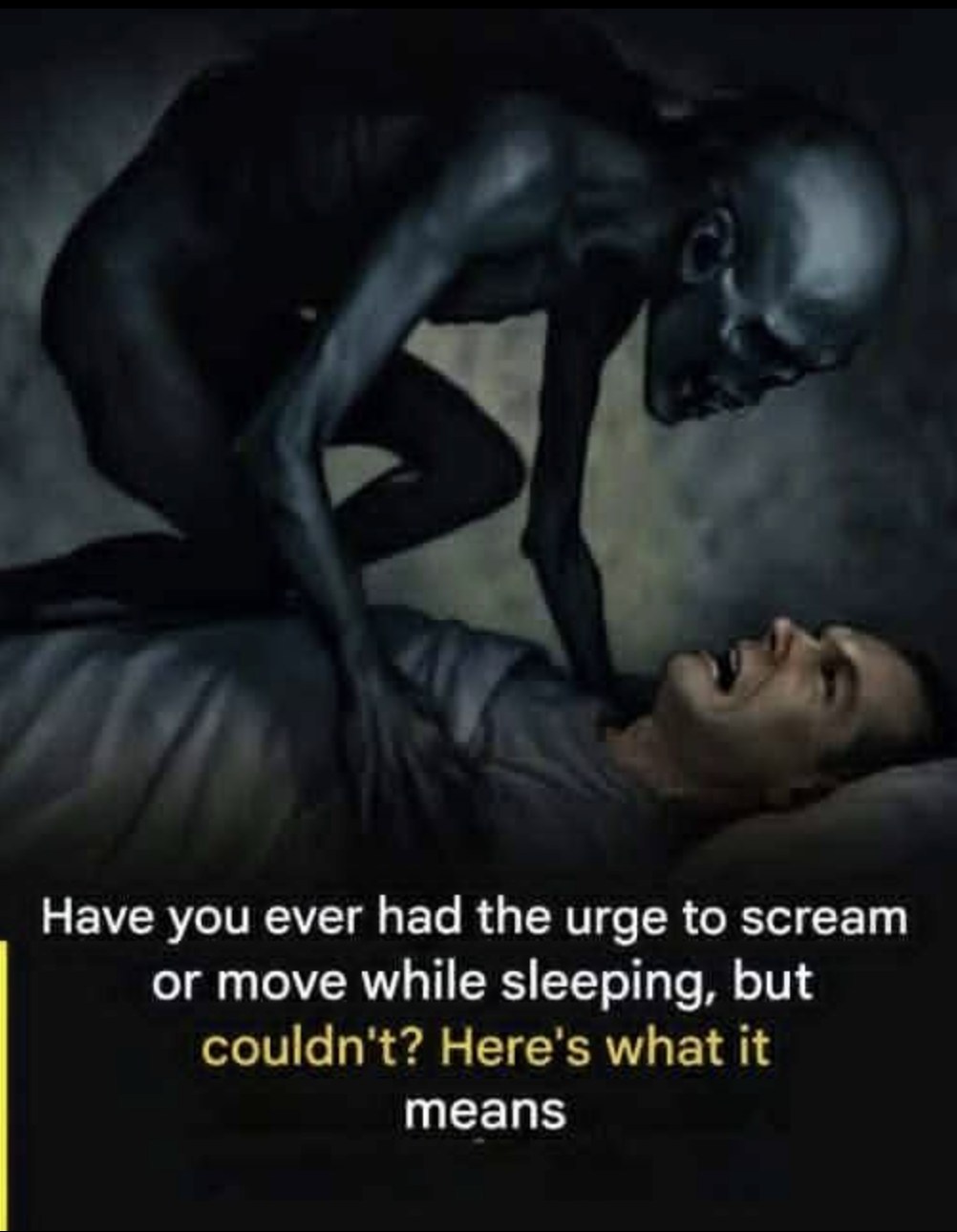
Have you ever woken up completely aware but unable to move or speak? If so, you may have experienced sleep paralysis, a phenomenon that’s far more common than most people realize.
Although it can feel terrifying, understanding why it happens can help you cope—and even prevent it.
How Common Is Sleep Paralysis?
Research indicates that roughly 30% of people will experience sleep paralysis at least once in their life.
The condition occurs as you fall asleep or wake up, when your mind is alert but your body remains temporarily paralyzed. Some people also report hallucinations, out-of-body sensations, or the feeling of a presence in the room, which can make episodes feel even more intense.
While unnerving, sleep paralysis is considered a harmless sleep disorder and is classified as a type of parasomnia, according to the Cleveland Clinic. Episodes usually last anywhere from a few seconds to a few minutes.
What Sleep Paralysis Feels Like
During an episode, you may experience:
- Complete inability to move or speak
- Pressure on the chest
- Intense fear or panic
- Vivid hallucinations
- Feeling detached from your body
Episodes can be brief, or they can last up to 20 minutes, leaving sufferers shaken and exhausted.
The Science Behind Sleep Paralysis
Sleep paralysis occurs during REM sleep, the stage where most dreaming happens. Normally, the brain temporarily “locks” your muscles to prevent you from acting out dreams. But sometimes, your brain wakes up before your body, leaving you awake but frozen.
Common triggers include:
- High stress or anxiety
- Irregular sleep patterns
- Sleep deprivation
- Exhaustion
- Disrupted sleep schedules
Sleep experts, like CBT psychologist Charlott Ulfsparre, emphasize that those under stress or lacking proper rest are more likely to experience these episodes.
Sleep Paralysis Across History and Cultures
Humans have been documenting sleep paralysis for centuries. Ancient Persian texts reference it in the 900s, and the first detailed Western account comes from a Dutch physician in 1664.
Different cultures developed their own interpretations:
- Japan: “Bound by steel”
- China: “Ghost pressure”
- Africa: “A devil riding on your back”
Many sufferers report vivid hallucinations. Swedish artist Jonna Jinton described feeling pulled into something strange during her first episode at 16, while singer Zara Larsson has shared her frightening experiences publicly.
Tips to Reduce Sleep Paralysis
While you may not always prevent episodes, these strategies can help:
- Stick to a regular sleep schedule
- Reduce stress and anxiety
- Avoid screens before bed
- Make your bedroom calm and relaxing
If an episode occurs, focus on slow, deep breathing and try to move a small part of your body, like a finger or toe. Once that movement returns, the rest of your body usually follows.
Why Understanding Sleep Paralysis Matters
Learning about sleep paralysis can reduce fear and provide reassurance. It may feel terrifying, but it is temporary, explainable, and not harmful.
Sharing this information can help others recognize what’s happening and understand that they are not alone—and that the experience is more common than most realize.