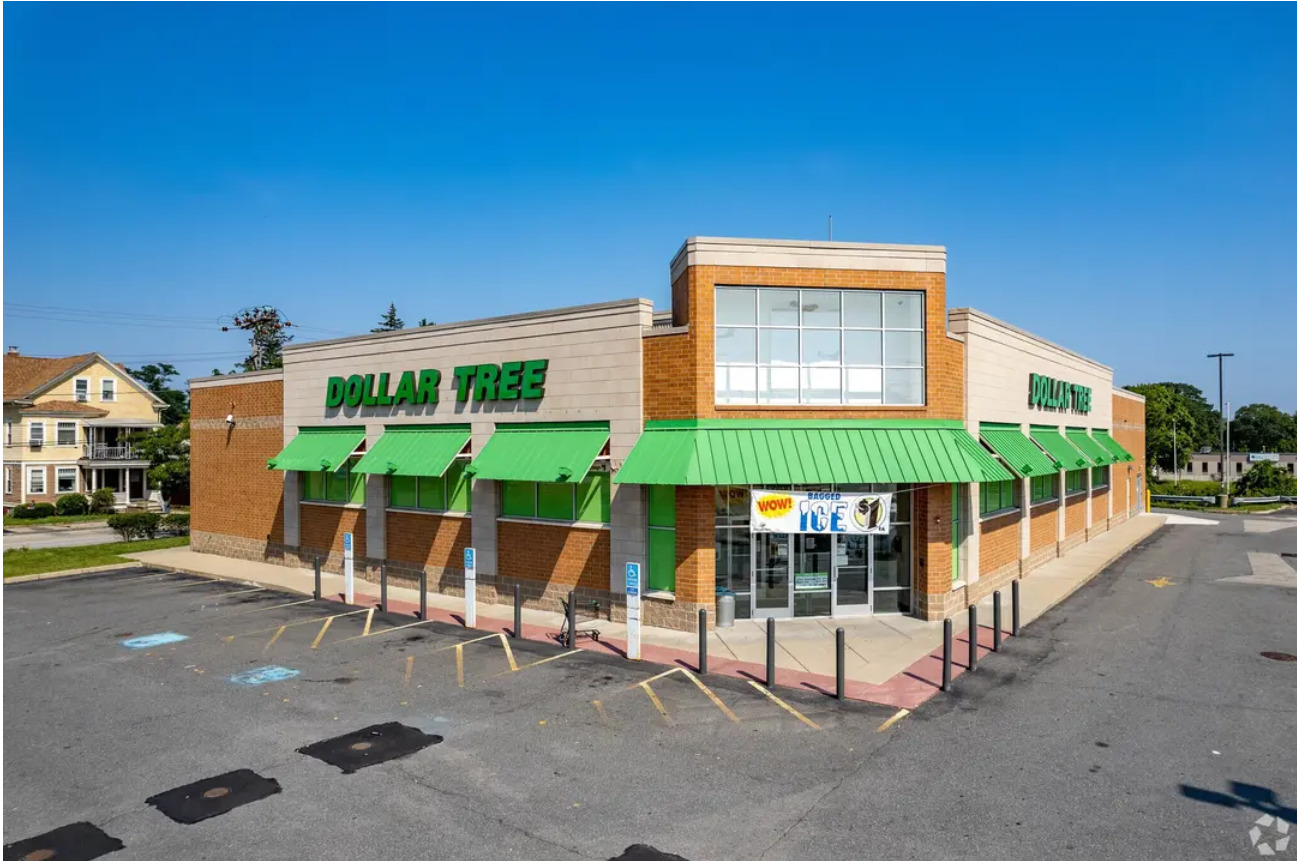
The allure of the extreme discount retailer is a powerful psychological force in the modern economy. In an era where inflation has tightened household budgets and the cost of living continues to climb, the sight of a brightly lit store where almost every item is priced at a mere dollar and twenty-five cents feels like a sanctuary of affordability. Dollar Tree, a titan in this sector, has built a multi-billion dollar empire on the promise of the “treasure hunt”—the idea that high-value items are tucked away on those cluttered shelves, waiting for the savvy shopper to rescue them. However, as 2026 unfolds, the reality of the ultra-discount market is becoming increasingly complex. While the low price tags are undeniably tempting, a growing body of consumer advocacy and safety data suggests that some bargains carry hidden costs that never appear on the receipt. To shop effectively in these environments, one must look past the initial savings and consider the long-term implications of durability, performance, and, most importantly, personal safety.
Continue reading next page…