White House Correspondents’ Dinner Draws Attention Amid Online Speculation
The White House Correspondents’ Dinner remains one of Washington, D.C.’s most recognized annual events, bringing together journalists, political leaders, and public figures for an evening that blends formal tradition with light entertainment and public commentary. Hosted in major venues such as the Washington Hilton, the event is closely monitored, widely covered, and supported by extensive security coordination due to its high-profile guest list.
Because of its visibility, even minor or routine moments at the dinner often attract immediate public attention and media discussion.
Online Claims Spark Confusion
In recent online discussions, unverified claims began circulating suggesting that a disruption had occurred during one edition of the event. Some social media posts described possible security-related activity, including sudden movements and heightened responses from personnel.
These posts quickly spread across platforms, with users resharing and reinterpreting the information. However, no confirmed evidence has been provided to support claims of a major incident or emergency situation.
High-Profile Names Mentioned Without Verification
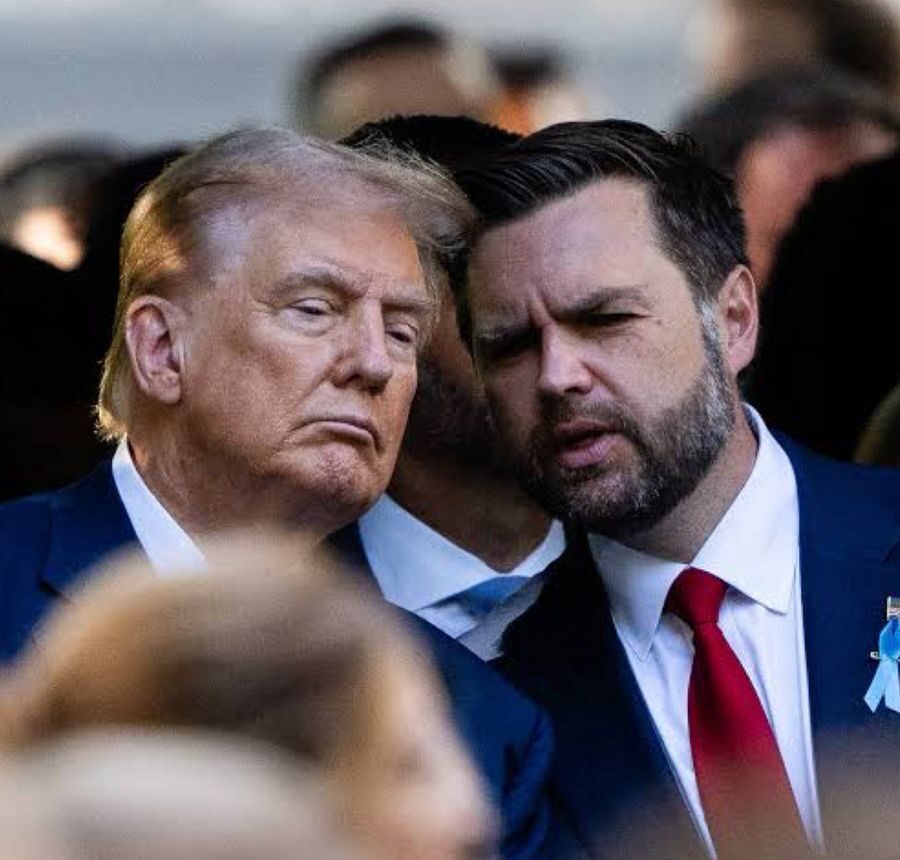
Some of the circulating discussions referenced well-known political figures, including Donald Trump, Melania Trump, and JD Vance. Due to their public prominence and routine security coverage, any suggestion involving their safety tends to draw strong attention online.
However, there has been no verified reporting confirming any evacuation or security breach involving these individuals during the event.
Security Protocols in Large Public Events
Events of this scale are supported by coordinated security operations, often involving agencies such as the United States Secret Service. These teams are trained to respond quickly to any potential irregularities, including precautionary measures that may appear more serious to outside observers than they actually are.
In many cases, brief movements or controlled adjustments in seating or access are standard safety procedures rather than indications of a confirmed threat.
The Role of Media Verification
As speculation grew, some online posts referenced major news outlets in an attempt to support the claims. However, no official reports from established media organizations have confirmed the existence of a security incident or emergency situation during the dinner.
This highlights the importance of distinguishing between verified reporting and social media interpretation, especially during high-profile events.
How Misinformation Spreads Quickly
Large-scale public gatherings often become focal points for rapid online discussion. When information is incomplete or unconfirmed, it can quickly evolve into widespread speculation.
Social media platforms allow content to circulate instantly, which can blur the line between fact and assumption, particularly when users add commentary or share unverified claims.
Why High-Profile Events Attract Rumors
The White House Correspondents’ Dinner naturally draws significant public interest due to the presence of political leaders, journalists, and celebrities. In such environments, even routine security activity or brief interruptions can be misinterpreted when viewed without context.
This makes careful verification especially important before drawing conclusions about what actually occurred.
Importance of Verified Reporting
Professional journalism relies on confirmation from reliable sources before reporting major incidents. This process helps ensure accuracy, especially in situations where early information may be unclear or incomplete.
When official confirmation is absent, it generally indicates that circulating claims should be treated cautiously rather than accepted as fact.
Conclusion
While online discussions have suggested the possibility of a disruptive incident at the White House Correspondents’ Dinner, there is no verified evidence confirming any security breach or emergency event. The situation reflects how quickly speculation can spread in the absence of confirmed information.
For readers, the key takeaway is clear: rely on trusted, verified sources when evaluating high-profile news stories.
If you found this breakdown helpful, share your thoughts below and join the conversation on how information spreads in the digital age.