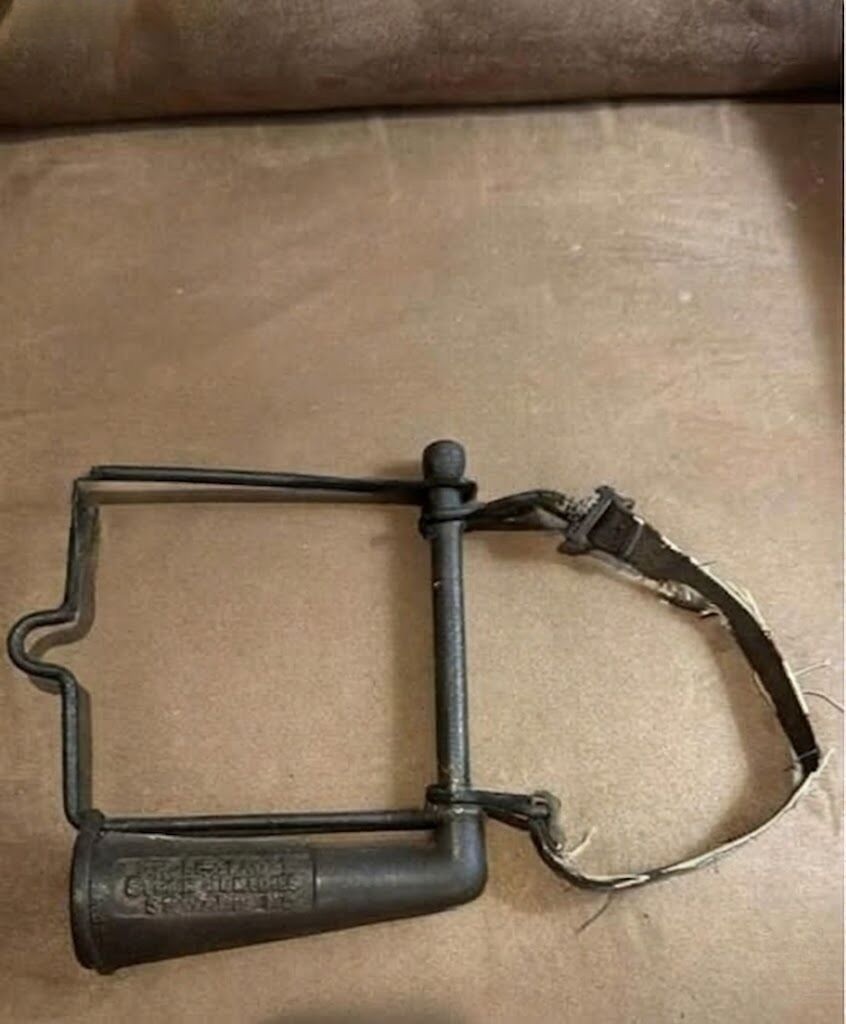
Forgotten Brass Barn Tool That Helped Protect Working Horses Before Modern Veterinary Care
With today’s advanced veterinary clinics, mobile equine vets, and modern diagnostic tools, it’s easy to forget how recently animal healthcare was still a do-it-yourself necessity on many American farms. Long before equine hospitals, ultrasound machines, and 24/7 emergency services, families depended on practical barn equipment to keep their animals healthy enough to work. Tucked away in old tack rooms, rural museums, and estate collections is one surprising piece of early “horse health” technology: the antique brass horse drencher.
At first glance, it can look like a strange bit, a decorative brass oddity, or just another piece of outdated farm hardware. In reality, it was a serious tool used to deliver liquid remedies to horses—especially during emergencies—at a time when a single sick draft horse could mean lost crops, stalled transportation, and financial disaster.
Why Horses Were a High-Stakes Investment in Early America
Before tractors, trucks, and mechanized equipment became common, horses were essential infrastructure. They powered plows, hauled timber, pulled wagons, and kept local commerce moving. For many households, a strong workhorse wasn’t just helpful—it was the engine of the entire operation.
That’s why common digestive emergencies like equine colic were so feared. Colic can cause intense abdominal pain and serious complications, and without quick intervention a horse could deteriorate fast. In areas with limited access to professional veterinary services, caretakers relied on tools designed to administer liquid treatments as safely and efficiently as possible. The horse drencher emerged as one of those solutions—an early form of practical equine care equipment meant for real-world farm conditions.