She never set out to be famous. Fame arrived before she had the language to understand it, before she could decide whether she wanted it, before she knew how permanent a first impression could be. Long before she had the freedom to define herself, the world had already begun doing it for her.
Thylane Blondeau became a public figure not through ambition, but through circumstance. A photograph circulated. Then another. Soon, conversations followed—loud ones, conducted by adults who spoke about her as if she were an idea rather than a child. They discussed beauty, innocence, responsibility, and morality with intensity, rarely pausing to consider the human being at the center of the debate.
She was given a title that sounded like admiration but functioned like a label. It was repeated endlessly, debated fiercely, and carried expectations far heavier than anyone so young should have had to bear. Praise arrived early, but so did criticism. Both came without invitation. Both shaped the environment in which she was expected to grow.
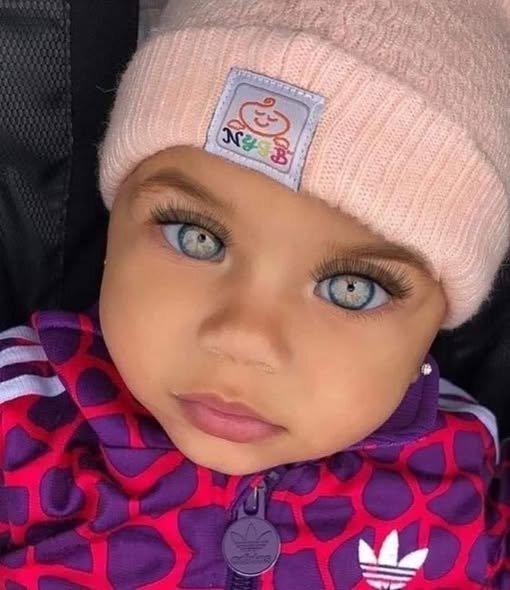
May be an image of baby
From an early age, she learned a difficult truth: being visible is not the same as being understood. Cameras captured her image, but few people asked how she felt standing in front of them. The world saw still frames and glossy covers; she experienced long hours, unfamiliar rooms, and the pressure to perform composure long before she had learned what it meant.
The attention was never neutral. Every appearance sparked a reaction. Some celebrated her presence as extraordinary. Others questioned whether she should have been there at all. In both cases, the conversation rarely included her voice. Adults argued over protection while simultaneously dissecting her every detail. Concern and scrutiny existed side by side, often indistinguishable from one another.
Continue reading on the next page…