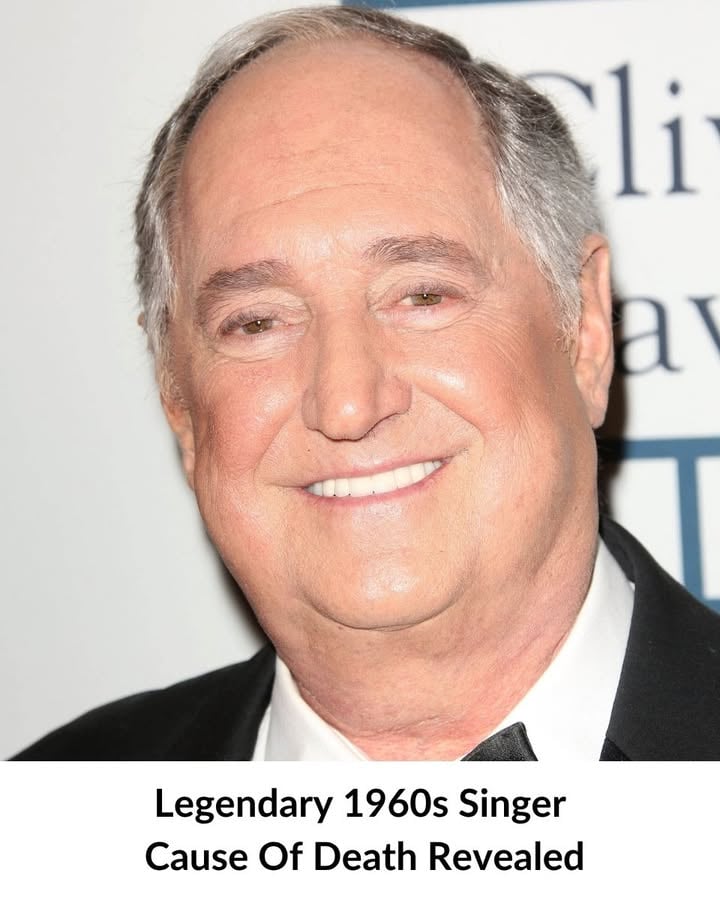
## Neil Sedaka’s Sudden Health Crisis: What We Know About the Medical Emergency That Ended a Music Legend’s Life
The entertainment world is mourning the loss of Neil Sedaka, the celebrated singer-songwriter and pianist whose timeless pop classics helped shape American music for generations. Sedaka died in Los Angeles at 86, and the speed of his final medical emergency stunned family, friends, and fans who grew up with his unmistakable voice and piano-driven sound.
### A Rapid Emergency Response in Los Angeles
According to reports from emergency dispatch activity and law enforcement updates shared after the incident, Sedaka became seriously ill early Friday morning while at a private residence in the West Hollywood area. As his condition worsened, an urgent 911 call brought first responders to the scene.
Around 8:00 a.m., Los Angeles County Fire Department personnel and paramedics arrived to provide advanced medical care. Deputies from the local sheriff’s station also responded and assisted as emergency teams worked to stabilize him. Sedaka was transported by ambulance to a nearby hospital, where doctors continued intensive efforts to treat him. Despite those measures, he died only hours later.
### Family Statement: Remembering the Man Behind the Music
In the aftermath, Sedaka’s family shared a heartfelt statement describing their grief and the magnitude of the loss. They emphasized that beyond the fame, awards, and sold-out performances, he was a devoted husband, father, and grandfather—known privately for warmth, humility, and kindness that matched his extraordinary talent.
### Reported Cause of Death: A Silent, High-Risk Combination
Medical review later cited **atherosclerotic cardiovascular disease** as the cause of death, with **acute kidney failure** listed as a contributing factor. Heart and vascular disease can develop quietly over many years, sometimes without obvious warning signs, until it triggers a sudden, life-threatening event. When kidney function is also compromised, the body can deteriorate quickly, making emergency treatment especially difficult.
*(This article is for general information only and is not medical advice.)*
—
## A Legacy That Outlives Any Headline
While the news has focused on the sudden nature of his passing, Neil Sedaka’s influence reaches far beyond one tragic morning.
### From Brooklyn to Juilliard to Pop History
Born and raised in Brooklyn, Sedaka trained as a classical pianist and studied at the **Juilliard School**, a background that helped give his songs their signature structure and sophistication. But his passion pulled him toward popular music, where he teamed up with lyricist **Howard Greenfield**—a partnership that helped define the legendary **Brill Building** era of hitmaking.
### Two Generations of Chart Success
Sedaka achieved what few artists ever do: major chart dominance in more than one era.
– In the late 1950s and early 1960s, he became a global star with enduring hits such as **“Calendar Girl,” “Oh! Carol,”** and **“Breaking Up Is Hard to Do.”**
– When the British Invasion reshaped radio, he adapted by writing and producing, contributing to major successes for other performers—including **“Love Will Keep Us Together,”** famously associated with Captain & Tennille.
### The Comeback That Became Music Industry Lore
By the mid-1970s, Sedaka engineered one of pop’s most admired comebacks. With support from **Elton John**, who signed him to Rocket Record Company, Sedaka returned to the spotlight with a refined, mature sound—earning new fans through hits like **“Laughter in the Rain”** and **“Bad Blood.”**
### Honors, Influence, and Staying Connected to Fans
Over his lifetime, Sedaka earned major recognition across the industry, including multiple Grammy nominations, a star on the Hollywood Walk of Fame, and induction into the **Songwriters Hall of Fame**. Even in later years, he remained close to his audience—sharing intimate performances and moments at the piano that reminded fans why his music felt personal in the first place.
—
## Closing Thoughts
Neil Sedaka’s voice may be gone, but his melodies—crafted with rare precision and heart—remain part of the soundtrack of modern pop.
**What’s your favorite Neil Sedaka song or memory tied to his music?** Share it in the comments, and if you’d like more respectful coverage of legendary artists and music history, consider subscribing or following for future updates.