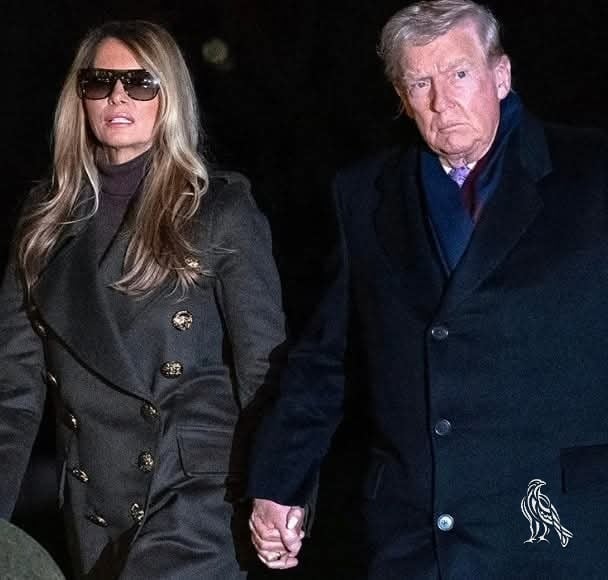
Washington Ethics Storm Deepens as Trump Fires Back and Voters Demand Answers
What’s unfolding in Washington right now doesn’t look like a routine political dust-up—it looks like a full-scale stress test of government accountability and the way political influence is really exercised behind the scenes. Former President Donald Trump has responded forcefully to the latest wave of controversy, but his reaction is only one piece of a much bigger picture that is pulling in questions about campaign finance, high-dollar donor networks, and whether powerful institutions are built to reveal the truth—or to manage it.
For many Americans, the conversation has moved beyond party labels. The bigger issue is whether the system rewards connections more than transparency. As public attention intensifies, voters are looking harder at the gap between what leaders say in public and what their relationships, fundraising pipelines, and past alliances suggest in private.
Why This Controversy Feels Different
Washington has seen its share of headlines, but this moment is hitting a nerve because it touches on the topics people care about most when they think about trust in government: ethics in politics, transparency, and the influence of money. Discussions tied to the long-running Epstein-related public legacy and the broader ecosystem of elite connections have become part of a wider reexamination of who gets access, who benefits, and how decisions are shaped.
At the same time, cross-party fundraising relationships and donor circles are being scrutinized with renewed intensity. The question many voters are asking is simple: if the public is promised reform, why do the same networks keep showing up in the background?