A Key Insurance Backstop Is Moving Through Congress
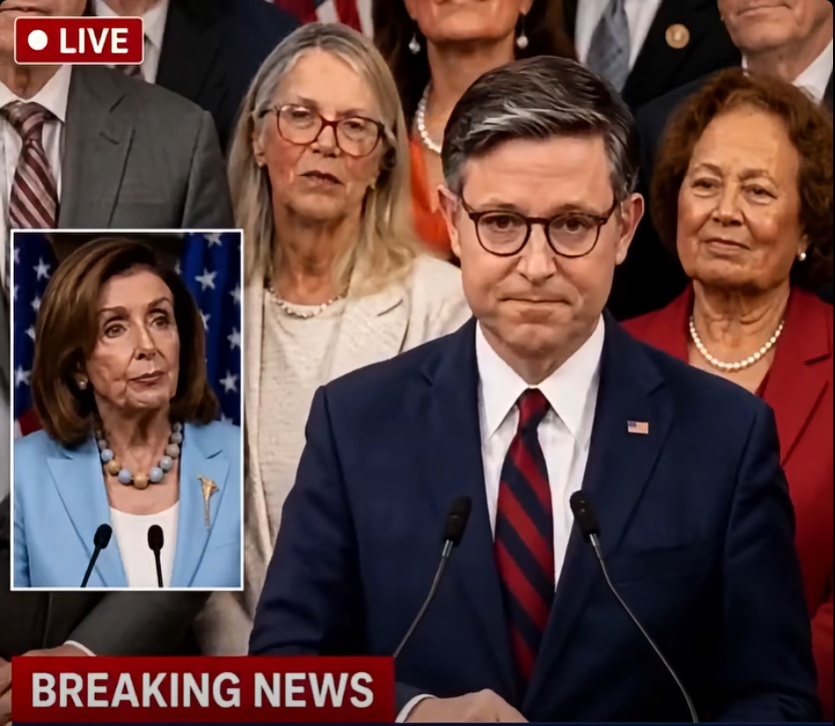
The House has approved legislation that would keep a major federal insurance backstop in place for several more years, a move aimed at giving businesses, insurers, lenders and commercial property owners more certainty about how the country would handle the financial fallout from a major terrorist attack.
The bill would extend the Terrorism Risk Insurance Program, commonly called TRIP, through 2034. The program is designed to help stabilize the commercial insurance market by sharing certain terrorism-related losses between private insurers and the federal government after specific legal thresholds are met.
The measure, known as the TRIA Program Reauthorization Act of 2026, was introduced in January 2026 by Representatives Mike Flood and Andrew Garbarino and referred to the House Committee on Financial Services. Its central change is straightforward: it would move the program’s expiration date from 2027 to 2034.
Why the Program Exists
The Terrorism Risk Insurance Act was first signed into law in 2002 after the September 11, 2001 attacks disrupted insurance markets and created deep uncertainty about how terrorism risk could be priced.
Commercial property and casualty insurers faced a difficult problem. A major terrorist attack could create losses large enough to strain the private insurance system, but excluding terrorism coverage entirely could leave businesses, real estate projects and lenders exposed to risks they could not easily absorb.
TRIA was created as a temporary federal framework to keep private insurers participating in the market while providing a government backstop for extraordinary losses. The Treasury Department administers the program with assistance from the Federal Insurance Office.
The program is not ordinary government insurance. Private insurers still carry significant responsibility before any federal reimbursement can apply. That structure is intended to keep risk in the private market while reducing the chance that a catastrophic event could freeze commercial insurance availability.
 Up Next: Page 2 of 3
The most recent reauthorization, passed in 2019, extended the program through December...
Under the current framework described by the Congressional Research Service, an event must first be certified by the Secretary of the Treasury...
Continue Reading