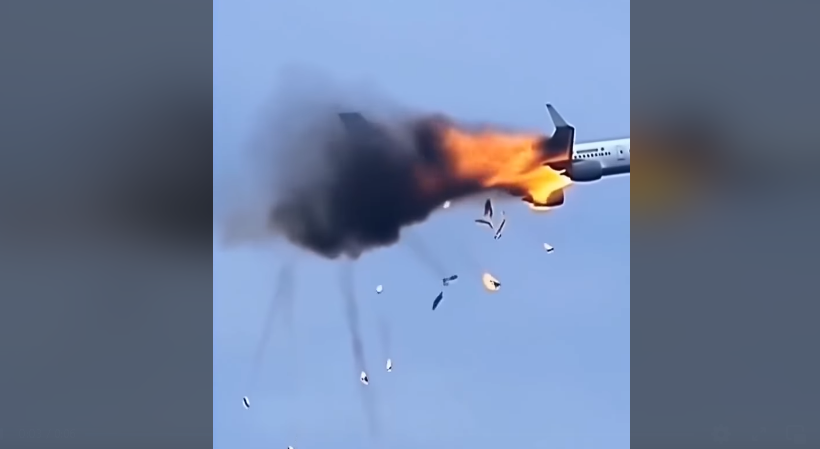
Despite the severity of the fire, responders continued searching for any sign that parts of the aircraft might have remained intact. Nearby hospitals reportedly shifted into high alert, clearing space and activating mass-casualty procedures as medical teams waited for updates from the scene.
Why So Many Questions Remain About the Cause
With few confirmed statements available early on, uncertainty has fueled intense speculation. Aviation analysts and investigators have been reviewing satellite information and radar data to reconstruct the aircraft’s final path.
Multiple possibilities are being considered, including mechanical failure, structural issues, and weather-related factors such as turbulence reported in the upper atmosphere. Investigators are also examining human factors, ranging from pilot incapacitation to the possibility of interference. Authorities have repeatedly referred to “mysterious circumstances,” a phrase that underscores how little is publicly verified at this stage.
Families Wait in Airports for Any News
At major international airports, the emotional toll has been immediate. Families of those believed to be on board gathered in designated areas, many repeatedly calling phones that went unanswered or staring at flight boards where statuses shifted to messages like “Delayed” or “See Agent.”
While officials often limit public updates to protect the accuracy of an investigation, the lack of information can feel unbearable for relatives desperate for even a small confirmation.
Passenger Details Still Emerging
The airline has not released a full manifest, but it is understood the flight carried a wide mix of passengers—business travelers, families, students, and crew members. Beyond the headlines and numbers, each of the 244 individuals represents a personal story and a community of loved ones now facing grief and uncertainty.
The Investigation: Black Boxes and a Long Road to Answers
Government officials and transportation safety authorities have pledged a thorough investigation. A key priority is recovering the aircraft’s “black boxes”—the flight data recorder and the cockpit voice recorder—which can provide essential technical readings and the final communications from the flight deck.
Until those devices are recovered and analyzed, investigators are expected to keep all possibilities on the table, including everything from sudden weather events to maintenance-related concerns. In major aviation accidents, this process can take months or longer as teams work carefully to avoid premature conclusions.
Global Impact: Safety, Travel Disruption, and Accountability
The consequences of a commercial plane crash extend far beyond the crash site. Depending on the route and findings, the incident could influence international aviation protocols and airline safety procedures. If a technical issue is identified, similar aircraft models could face scrutiny or potential grounding, disrupting global travel. If human factors or external interference are involved, attention may shift toward training standards and security measures.
Even as recovery efforts continue, calls for accountability tend to grow—especially when the cause remains unknown and public concern about flight safety intensifies.
What Happens Next: Recovery, Identification, and Prevention
As the immediate emergency phase transitions into longer-term work, forensic teams will focus on identification and helping families obtain closure. At the same time, investigators will begin the painstaking task of reconstructing events, often by analyzing debris patterns and technical records like a complex puzzle.
While the loss is irreversible, aviation safety improvements often come from hard lessons learned. New mandates, updated procedures, and technological changes frequently follow major incidents—aimed at preventing a similar tragedy in the future.
Conclusion
For now, the world remains in a tense pause—mourning the lives lost while waiting for verified answers. The smoke over the wreckage will fade, but the impact on families, responders, and the wider aviation community will linger. As investigators work toward a definitive cause, the focus remains on truth, accountability, and stronger airline safety for everyone who depends on air travel.
Key takeaways:
- More than 244 people were on board, and the cause of the crash has not yet been confirmed publicly.
- Emergency responders and hospitals mobilized quickly, while investigators began analyzing radar and satellite data.
- Recovery of the flight data recorder and cockpit voice recorder is central to determining what happened and improving aviation safety.