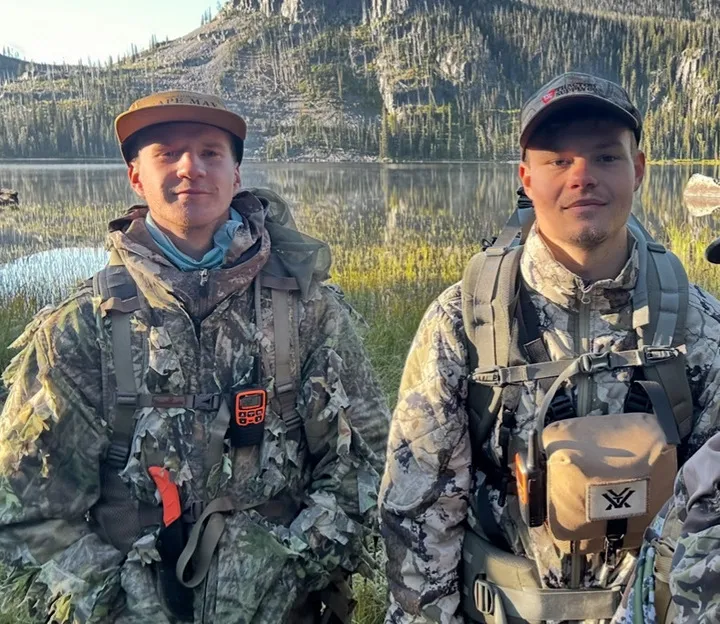
Yet the mountains, majestic as they are, hold dangers even the most experienced cannot always predict. That week, Colorado’s weather was unusually volatile. Mornings were calm, but sudden afternoon storms often swept through the high elevations, bringing gusty winds, heavy rain, and lightning. Even seasoned outdoorsmen know how quickly conditions can turn deadly.
The Fatal Strike
Tragically, Porter and Stasko fell victim to nature’s raw power. Conejos County Coroner Richard Martin confirmed that preliminary findings point to lightning strikes as the cause of death. Though their external injuries were minimal—small, match-like burn marks—the internal trauma would have been catastrophic, including heart and nervous system failure. Lightning, while rare, can instantly kill even the healthiest adults, leaving no time for rescue. Full autopsy reports are expected to provide additional details.
Search and Rescue Efforts
When the men failed to return, families and authorities sprang into action. The Conejos County Sheriff’s Office coordinated search and rescue operations, deploying aerial drones, GPS mapping, and ground teams to navigate steep ridges, dense forests, and hidden valleys. Experienced volunteers from neighboring counties joined the effort, ensuring no trail or canyon went unchecked.
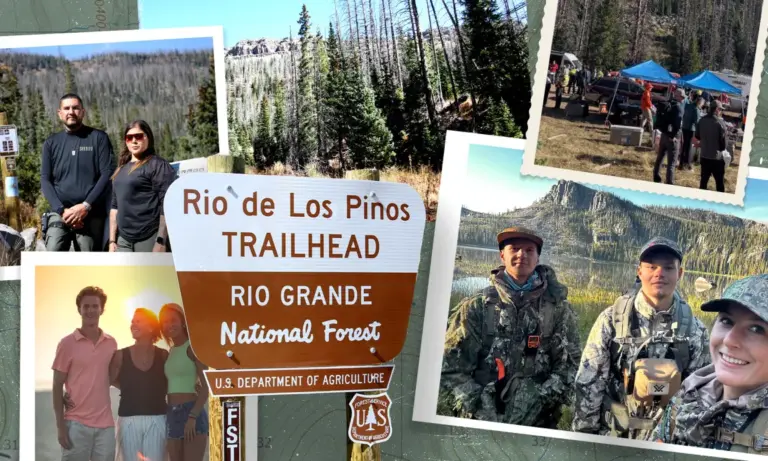
After nearly a week, search teams located both men near each other on September 18, indicating they had stayed together until the end. Their proximity reflected not only their friendship but also the stark reality of nature’s unpredictable power.
Remembering Andrew Porter and Ian Stasko
Andrew and Ian were more than hunters—they were explorers, mentors, and passionate stewards of the outdoors. From a young age, they immersed themselves in wilderness skills, teaching younger adventurers about ethics, safety, and respect for nature. Friends and family recall their careful planning, teamwork, and deep connection to the mountains.
Their deaths highlight a sobering truth: even skill, preparation, and experience cannot eliminate all risks in the wilderness. Mountains, while breathtakingly beautiful, are also unpredictable.
Lightning in the Mountains: A Hidden Danger
Mountainous areas naturally attract lightning. Factors that increase risk include:
- High elevation: Closer to storm clouds, increasing exposure.
- Open terrain: Ridges and clearings act as lightning magnets.
- Metal equipment: Rifles, backpacks, or trekking poles can conduct electricity.
- Moisture: Wet surfaces amplify electrical injury risk.
Experts stress the importance of vigilance: monitor weather, avoid high ridges during storms, seek proper shelter, and limit metal exposure. Porter and Stasko’s story is not one of negligence—it’s a reminder of nature’s unpredictable power.
Lessons for the Outdoor Community
Their story has inspired local hunting groups and outdoor enthusiasts to increase awareness of lightning safety and wilderness preparedness. Search and rescue teams, volunteers, and families all highlight the value of preparation, collaboration, and mutual support when navigating high-risk environments.
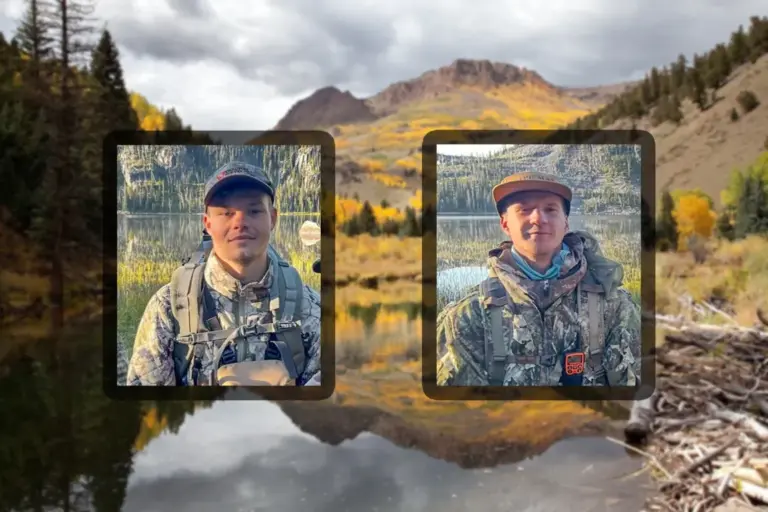
Commemorations, trailside ceremonies, and online tributes now celebrate Andrew and Ian’s lives, their camaraderie, and their love for the mountains. Their story is a powerful lesson in respect for nature, the fragility of life, and the enduring impact of friendship and courage.
A Lasting Legacy
The Rio Grande National Forest remains a place of adventure, reflection, and remembrance. Every ridge and clearing once traversed by Andrew and Ian now serves as a living memorial. Their story encourages all outdoor adventurers to embrace preparation, caution, and solidarity, even in the face of the wilderness’s most unpredictable forces.
Remembering their bravery, camaraderie, and love for the outdoors, we honor Andrew Porter and Ian Stasko—and let their story guide us safely in nature’s wildest places.
Want to stay safe and inspired on your next adventure? Share your thoughts or experiences with mountain safety in the comments below!