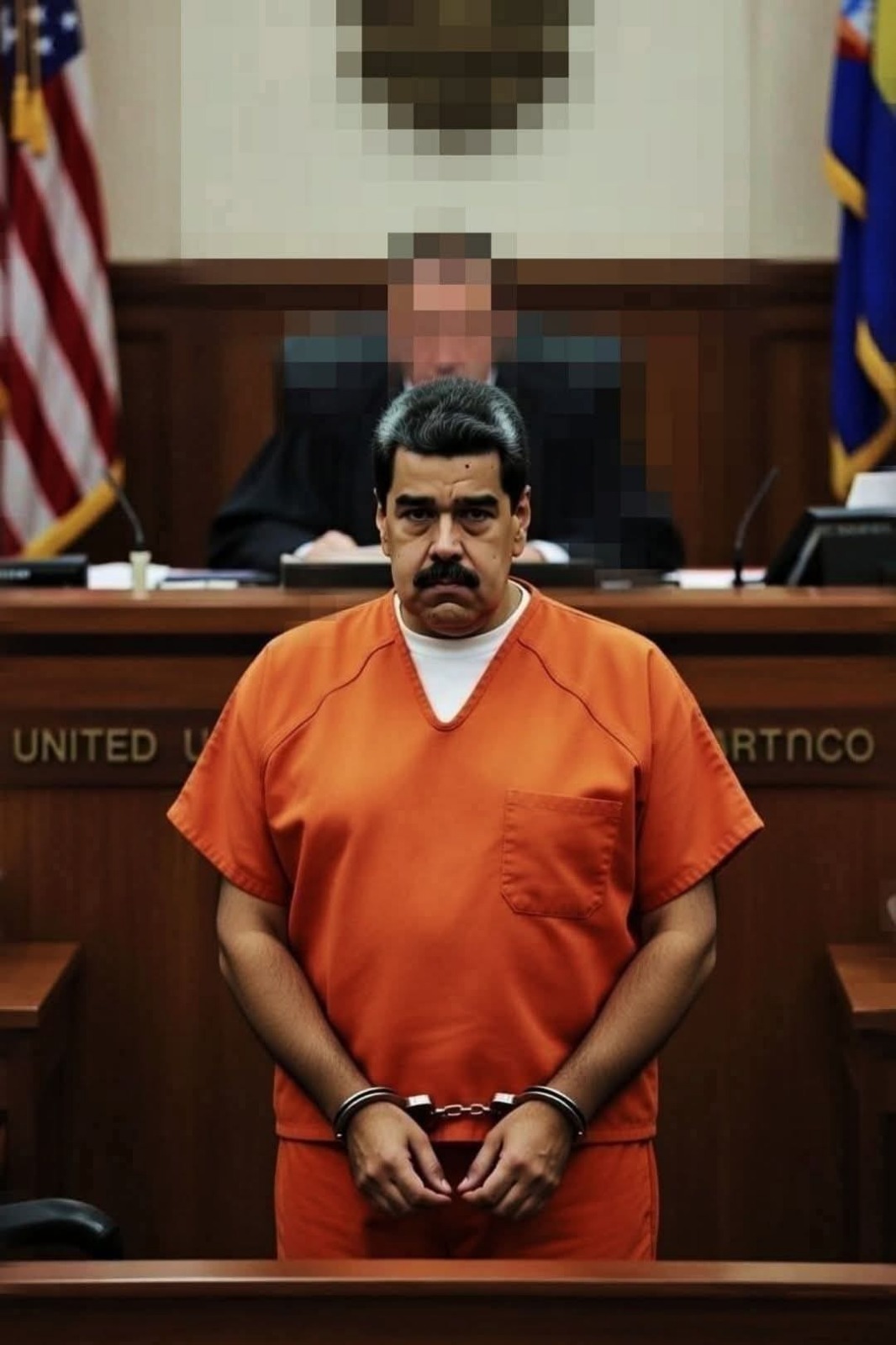
It started with three dots.
Just three harmless-looking dots at the end of a half-loaded headline—enough to detonate panic across social media like a digital bomb. A grainy image. Red-and-yellow emergency fonts. And the unfinished phrase that froze millions of thumbs mid-scroll:
“BREAKING NEWS: Maduro takes his li… See more.”
That was all it took.
From Mexico City to Miami, from family WhatsApp groups to X feeds, chaos erupted. Prayer chains from grandmothers. Celebration memes from teenagers. Conspiracy theories from uncles who hadn’t trusted a headline since 1988. Nobody waited for facts. Nobody waited for context. The human brain rushed in to finish the sentence with the darkest possible ending.
Takes his life.
Commits suicide.
Regime collapse.
End of an era.
The internet did what it does best: panic first, think later.
Screenshots spread faster than any official outlet could react. People were already speculating about poison pills, secret coups, bunker escapes, and cinematic finales ripped straight out of bad political thrillers. For a few surreal hours, the world collectively held its breath over a sentence that wasn’t even finished.
The emotional whiplash was real. Hope for some. Fear for others. Shock for everyone.
Then someone clicked the link.
Continue reading on the next page…