Deadly Learjet Crash Rocks West Palm Beach as Investigators Search for Answers
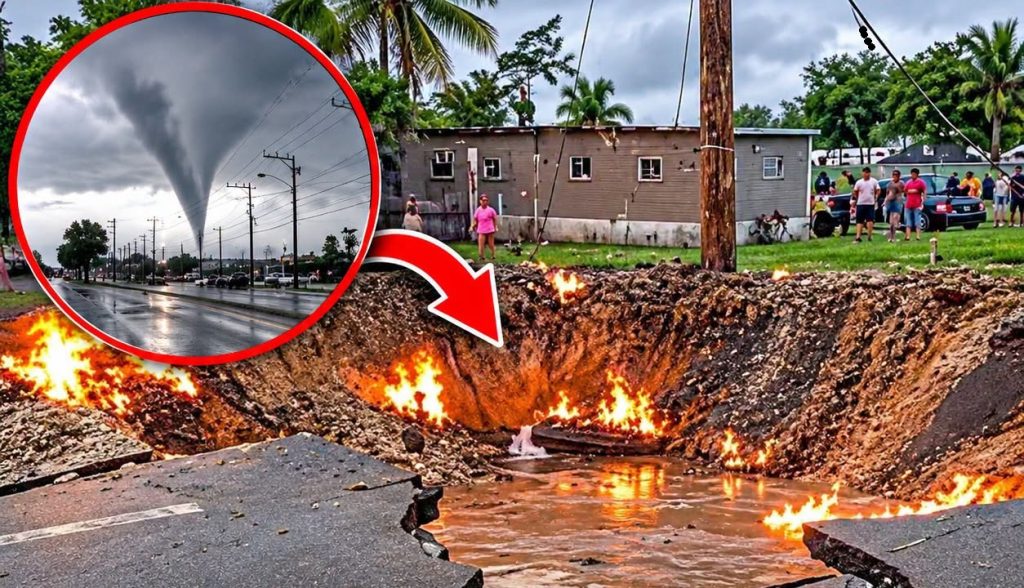
Florida Learjet 60 Crash Kills Nine: Why Video Footage Appeared to Show So Little Wreckage
A devastating aircraft crash near West Palm Beach, Florida, reportedly claimed nine lives and left a scene of destruction that raised troubling questions among viewers.
Footage circulating after the incident appeared to show a large crater, smoke, and surprisingly little recognizable aircraft wreckage. The images quickly attracted attention, with many people wondering how an aircraft could disappear from view so completely after such a catastrophic impact.
But aviation experts caution that a short video does not necessarily reveal the full extent of an accident scene.
According to initial reports, the aircraft involved was a Learjet 60 carrying nine people. All nine occupants were reportedly killed. No deaths were reported on the ground, although at least one mobile home was damaged and approximately 600 residents were evacuated.
Aviation Expert Raises Questions About the Final Moments
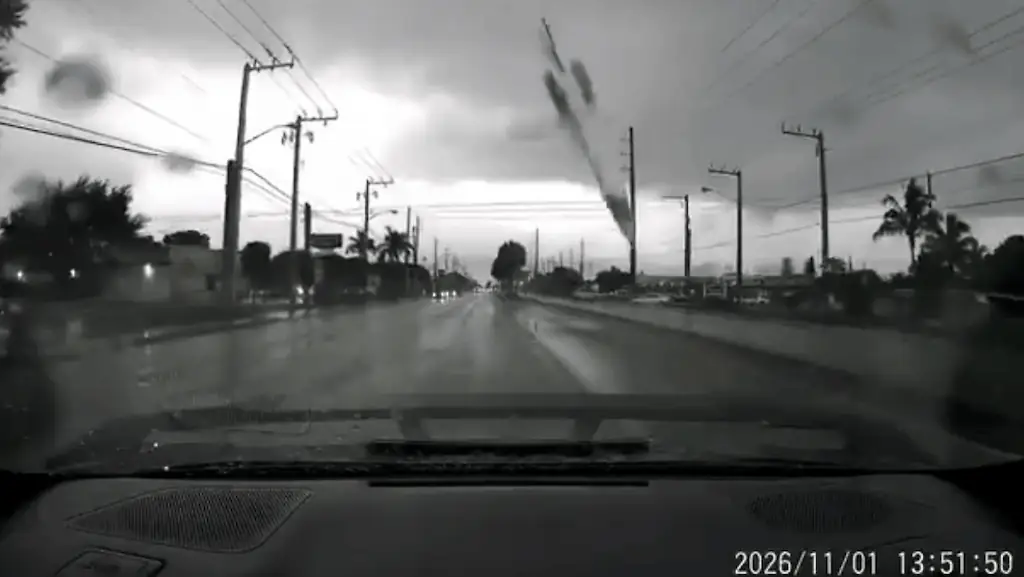
Aviation expert Mary Schiavo reviewed footage of the incident and offered a concerning assessment of the aircraft's final descent.
"It’s clear, whatever happened, they had lost control of the plane," she said.
Her observation drew further attention to the circumstances surrounding the crash. However, footage alone cannot establish exactly what caused the aircraft to descend uncontrollably.
Investigators would need to examine the wreckage, flight data, maintenance records, weather conditions, and other available evidence before determining what happened.
At the time of the initial reporting, the identities of the victims had not been released.
Why Did the Wreckage Appear to Be Missing?
One of the most striking details in the circulating footage was the apparent lack of recognizable aircraft debris near the crater.
For viewers unfamiliar with aviation accidents, this may seem unusual. However, a high-energy aircraft impact can cause extensive fragmentation, leaving large sections of an aircraft broken into smaller pieces.
There are several possible reasons why the wreckage may not have been clearly visible in the video:
 Up Next: Page 2 of 2
Reports also described debris scattered across a wider area, including accounts from...
These explanations help illustrate why the appearance of a crash site in a short video should not be treated as a complete...
Continue Reading