Impetigo
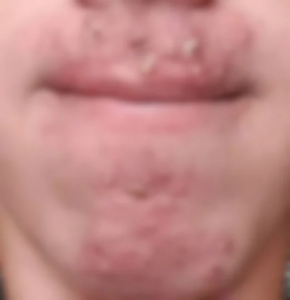
Impetigo is different because it is a contagious bacterial skin infection. It can develop around the mouth or nose and often starts as small sores or blisters. These may break open and form yellowish or honey-colored crusts.
The infection is caused by bacteria, including Staphylococcus aureus and Streptococcus pyogenes. Although impetigo is especially common in children, adults can get it too.
It can spread through direct contact with affected skin or through contaminated personal items. Towels, washcloths, and razors may increase the risk of transmission if shared. Healthcare professionals typically treat impetigo with topical or oral antibiotics, depending on how widespread it is.
Cold Sores
Cold sores can also appear around the mouth. They are caused by the herpes simplex virus, most often HSV-1. Many outbreaks begin with tingling, itching, or burning before small fluid-filled blisters appear. As they heal, the blisters may break and crust over.
Cold sores are contagious, especially when symptoms are present. The virus can spread through close contact, including kissing. People with an active cold sore should avoid kissing and avoid sharing items that touch the affected area. Antiviral treatments may help manage outbreaks, particularly when started early.
Contact Dermatitis
Not every mouth-area rash is an infection. Contact dermatitis happens when the skin reacts to an irritant or allergen. Possible triggers include toothpaste, lip products, fragrances, facial cleansers, cosmetics, and certain skincare treatments.
Symptoms can include redness, itching, peeling, dryness, or a burning feeling. Contact dermatitis itself is not contagious. Avoiding the product or substance causing the reaction may allow the skin to recover, but persistent symptoms may require medical guidance.
 Up Next: Page 3 of 4
Signs That Should Prompt Medical Advice
A minor rash may improve with gentle care, but some symptoms deserve attention. Consider seeking medical advice if you notice:
Continue Reading