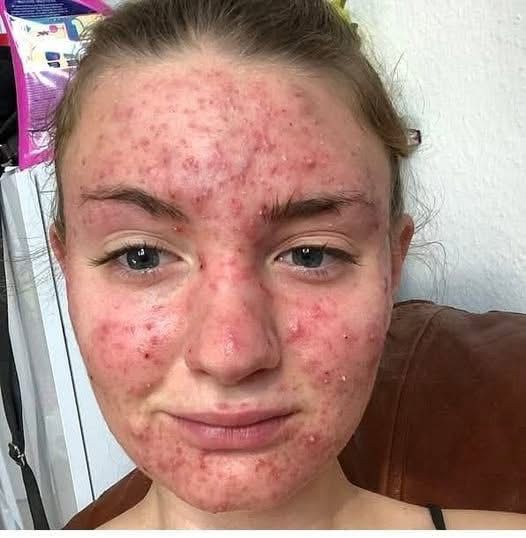
When I finally took her to the doctor, I expected reassurance. A stronger prescription cream. Maybe a referral to an allergist. Something simple. Something fixable.
At first, the appointment seemed routine. The doctor asked questions, examined the rashes, and nodded thoughtfully. But then his expression changed. It was subtle—his smile faded, his posture stiffened. He began asking more detailed questions. Had she been unusually tired? Any unexplained weight loss? Night sweats? I hadn’t connected those dots before. Yes, she had been more tired lately. Yes, she’d complained of feeling “off.” I’d blamed stress. School. Life.
He stepped out of the room briefly, then returned and said he wanted to run some blood tests—“just to rule things out.” The tone in his voice was careful, measured. Nurses came in and out. Vials of blood were drawn. A scan was scheduled. The air in the room felt heavier by the minute.
I remember sitting there afterward, trying to tell myself I was overreacting. It was probably nothing. Doctors are thorough—that’s a good thing. But the knot in my stomach refused to loosen.
The waiting was the worst part. Days stretched endlessly. Every time my phone rang, my heart jumped into my throat. I replayed every symptom in my head, searching for a logical explanation that didn’t terrify me.
When the call finally came, we were asked to come back in person.
I knew then.
The doctor didn’t waste time. He spoke gently, but the word still felt violent when it landed.
Cancer.
Not an allergy. Not a rash. Not something that would disappear with a cream or a pill. The itching, he explained, was a symptom—her body reacting to something far more serious happening beneath the surface.
The room blurred around me. I heard medical terms, treatment options, next steps, survival rates—but they felt distant, like they were meant for someone else. All I could think was how I had told her it was “just an allergy.” How I had promised it would go away soon.
Guilt flooded in alongside fear. How long had it been there? Had we missed earlier signs? Could we have caught it sooner?
But there was no time to stay in that spiral. Treatment needed to begin quickly. There were appointments to schedule, specialists to meet, plans to make. Our lives shifted overnight—from normal routines and small worries to hospital corridors, lab results, and whispered prayers.
Looking back, I wish I had known that persistent itching—especially when it doesn’t respond to typical treatments—can sometimes signal something deeper. It’s easy to dismiss symptoms that seem minor or common. We want the simplest explanation. We cling to it.
Now, I tell everyone: if something doesn’t feel right, push for answers. Ask questions. Trust your instincts. What seems small can sometimes be your body’s way of sounding an alarm.
For us, it started with itching.
And it changed everything.