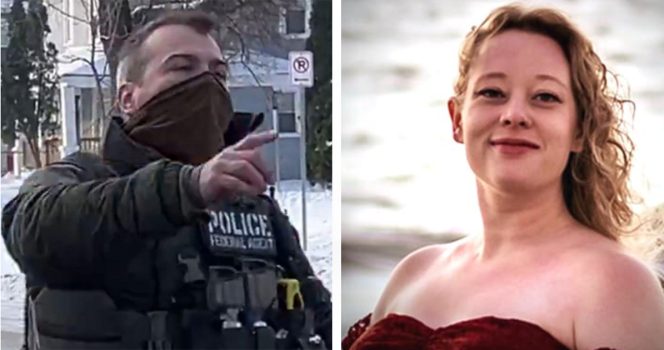
The incident has also intensified scrutiny of the Department of Justice and ICE. Calls for a federal civil rights investigation into Good’s death have so far been declined, though the controversy has led to multiple high-level resignations within the DOJ’s Civil Rights Division and local prosecutors’ offices.
So what does this mean for the agent involved? According to former federal prosecutor Neama Rahami, the likelihood of federal charges against Ross is extremely low. Speaking to The US Sun, Rahami noted: “The DOJ will not prosecute the ICE agent in today’s political climate. The state can still conduct its own independent investigation. Regardless of what the FBI concludes, charging decisions are made by prosecutors. I can’t see state officials moving forward while federal leaders have already defended the agent.”
That said, Rahami emphasized that Minnesota authorities retain the power to act. State investigators could convene a grand jury, subpoena evidence, and pursue charges ranging from manslaughter to second-degree murder if probable cause is established. Criminal defense attorney Eric Faddis also noted that if Good had survived, she might have faced charges for using her vehicle as a weapon, including obstructing law enforcement or vehicular assault.
The case underscores the complexity of dual sovereignty in the U.S. legal system: while federal prosecution appears unlikely, state authorities have the legal authority to conduct an independent investigation. Whether they will exercise that power remains uncertain—but the spotlight on Good’s death ensures continued public and legal scrutiny.
What do you think should happen next in the case of Renee Nicole Good? Share your thoughts in the comments below and join the conversation.