- Heart Problems
When the heart struggles to pump blood effectively, fluid can build up in the legs and feet. Swelling in both feet, especially when accompanied by shortness of breath or fatigue, could be an early warning sign of heart failure.
- Kidney Disease
Your kidneys help remove excess fluid and waste from your body. If they aren’t functioning properly, fluid can accumulate, leading to swelling in the feet, ankles, and even around the eyes.
- Liver Disease
The liver produces proteins that help keep fluid in the bloodstream. When liver function declines, fluid can leak into surrounding tissues, causing swelling in the lower limbs.
- Poor Circulation (Venous Insufficiency)
If veins have trouble sending blood back to the heart, blood can pool in the legs, leading to chronic swelling, skin changes, or even ulcers over time.
- Blood Clots
Sudden swelling in one foot or leg — especially if accompanied by pain, warmth, or redness — could indicate a deep vein thrombosis (DVT), a potentially life-threatening condition that requires immediate medical attention.
- Lymphedema
Damage or blockage in the lymphatic system can cause persistent swelling due to fluid buildup. This condition may occur after certain surgeries or infections.
When Should You Be Concerned?
You should seek medical advice if:
The swelling appears suddenly or worsens quickly
Only one leg is swollen
There is pain, redness, or warmth
You experience chest pain or difficulty breathing
The swelling doesn’t improve with rest or elevation
Even if there’s no pain, ongoing swelling that lasts more than a few days deserves evaluation.
What You Can Do
For mild swelling caused by lifestyle factors:
Elevate your feet above heart level when resting
Reduce salt intake
Stay hydrated
Move regularly to improve circulation
Wear compression socks if recommended
But remember — these steps address symptoms, not underlying causes.
Listen to Your Body
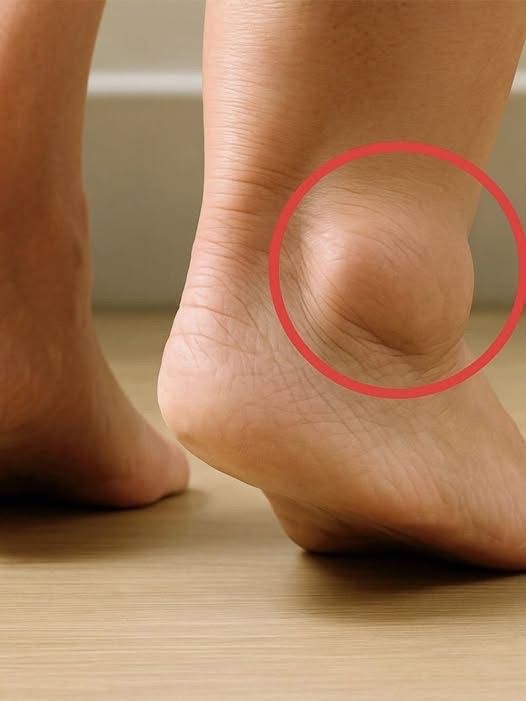
Swollen feet are often brushed off as a minor inconvenience. Yet sometimes, they’re a visible signal that your heart, kidneys, liver, or circulatory system may need attention. The key is paying attention to patterns. Is it occasional? Or is it persistent and unexplained?
Your body has subtle ways of asking for help. If your feet are swollen and you’re not sure why, don’t ignore it. Getting checked early can make all the difference.
If you’ve noticed unusual swelling recently, consider speaking with a healthcare professional to rule out serious causes and get peace of mind.