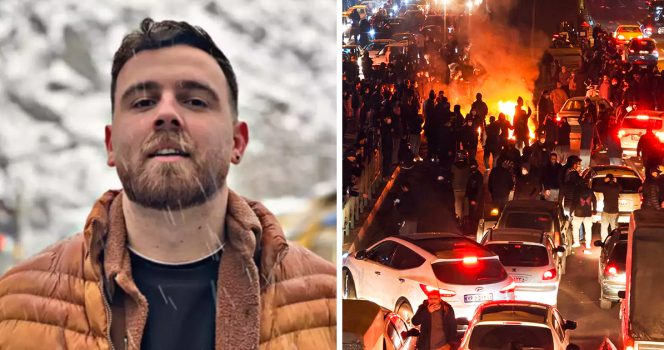
Background: Protests in Iran
The protests in Iran began in late December following a sharp decline in the value of the national currency, the rial. The unrest has led to widespread demonstrations calling for political and economic reform. According to human rights organizations, thousands of people have been detained, and several have lost their lives.
Soltani, a shopkeeper, became the first protester publicly sentenced to death in connection with the demonstrations, which has made his case a focal point for international scrutiny.
Stay of Execution

Hours before the scheduled execution, Soltani’s family was informed by prison authorities that his sentence had been postponed. Human rights groups, including the Norway-based Hengaw Organisation, have raised concerns over his access to legal representation, noting that he reportedly was denied the opportunity to consult with a lawyer following his arrest.
A relative of Soltani told The Guardian that the family has been under significant emotional strain during the process, expressing relief at the postponement but emphasizing ongoing concern for his safety.
International Reactions
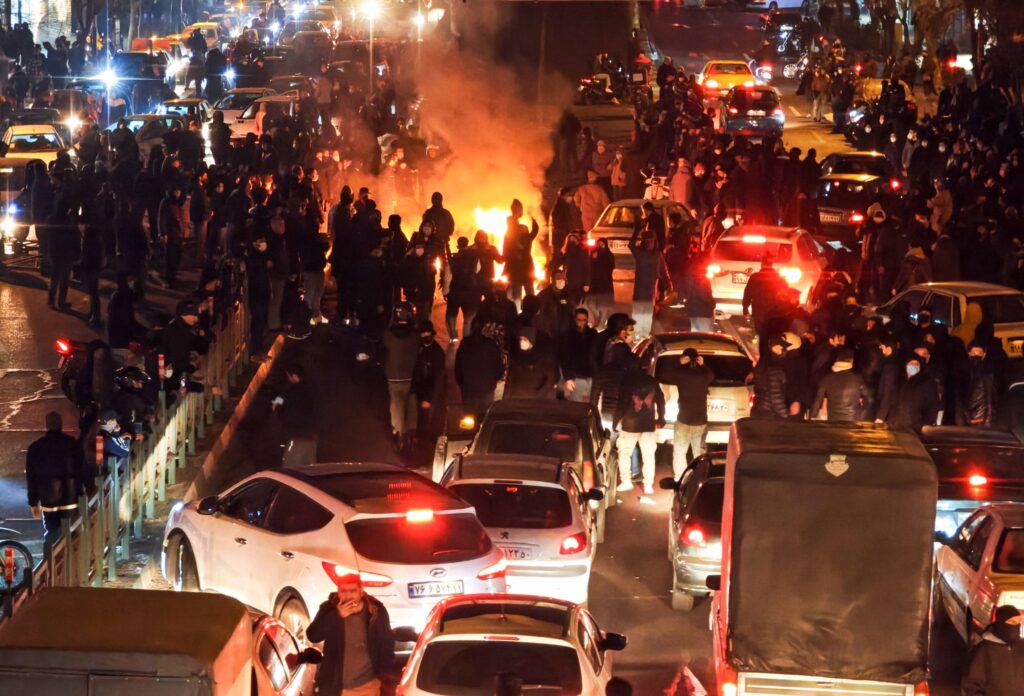
The case received attention from global leaders, with President Donald Trump warning in a CBS News interview that the United States would respond strongly if peaceful protesters were executed. Trump emphasized the importance of protecting individuals involved in nonviolent demonstrations, highlighting potential diplomatic and political consequences for Iranian authorities.
Iran’s judiciary, represented by Gholamhossein Mohseni-Ejei, previously stated that trials and sentences for those involved in the protests would proceed rapidly, underscoring the government’s stance on public demonstrations.
Ongoing Concerns
Human rights advocates continue to monitor Soltani’s situation closely, stressing the importance of fair legal processes and the protection of protestors’ rights. Soltani’s family has called on international actors to maintain pressure to ensure his safety while highlighting broader issues surrounding the treatment of detainees in Iran.
The stay of execution represents a temporary reprieve, but the outcome of Soltani’s case remains uncertain as authorities review the matter.