Interactions with law enforcement can be stressful, even when the situation is routine. A simple misunderstanding or emotional response can shift the tone of an encounter, which is why patience, clarity, and mutual respect matter so much.
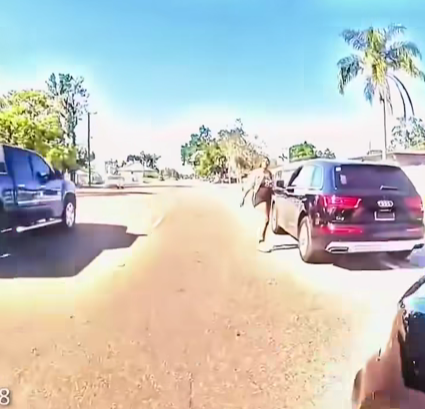
A recent traffic stop in California, captured on body-camera footage, sparked a wide online discussion about communication, responsibility, and how quickly tension can build.
A Routine Stop Turns Tense
In late March, officers in a busy California shopping district initiated a traffic stop after observing a vehicle reportedly traveling more than twenty miles per hour over the posted speed limit. The stop began as a standard safety reminder and citation.
When approached, the driver appeared visibly frustrated. The officer explained the reason for the stop and asked for identification—a normal procedure designed to document and de-escalate interactions.
Instead of complying, the driver responded sharply, expressing irritation and questioning the officer’s priorities. Her comments quickly drew attention online once the footage was released.
The officer remained professional, repeating the request and offering clear instructions. When the driver continued to argue and briefly refused to cooperate, additional officers were called to ensure the situation remained safe. She was later cited for the traffic violation and for not complying promptly with lawful instructions. No physical confrontation occurred, and the situation was resolved without further incident.
Why Certain Phrases Escalate Conflict
Communication specialists note that tone and word choice can significantly influence the direction of a conversation—especially during stressful interactions.
Phrases that imply disrespect or superiority often increase tension rather than resolve it. According to communication expert Dr. Rachel Meyer, such remarks can make the situation feel personal rather than procedural, leading to unnecessary conflict.
The viral clip quickly became a talking point across social media, with many viewers noting the contrast between the officer’s calmness and the driver’s frustration.
Human Reactions and Emotional Stress
Traffic stops can activate stress responses, including elevated adrenaline, which makes clear thinking more difficult. Psychologist Dr. Anthony Rivera explains that people sometimes react defensively because they feel singled out, even when the stop is simply procedural.
This is why both clear communication and steady behavior—on both sides—are important.
The Officer’s Role in Staying Calm
Officers are trained to manage a wide range of interactions. In this case, the responding officer followed protocol, gave clear instructions, and worked to maintain a calm atmosphere.
Training expert Elaine Foster notes that tone, body language, and clear explanations can reduce misunderstandings and help drivers feel more at ease.
Helpful Tips for Drivers During Traffic Stops
Experts recommend these steps to help ensure a smooth interaction:
- Pull over safely using your turn signal.
- Stay calm and keep hands visible on the steering wheel.
- Provide documents promptly when asked.
- Use respectful communication, even if you disagree.
- Save disputes for legal channels, not the roadside.
- Record the encounter if it is legal in your area, as long as it does not interfere.
These habits promote safety and reduce the risk of escalation for both drivers and officers.
A Broader Conversation About Respect
This incident has encouraged conversations about communication, public trust, and how easily everyday interactions can become tense. Sociologists note that understanding each other’s roles—officers performing their duties, and citizens navigating a stressful moment—can help prevent unnecessary conflict.
Legal experts also remind drivers that refusing to identify oneself or ignoring lawful instructions can result in additional consequences, even if the original matter was minor.
The Importance of Staying Composed
The California case demonstrates how quickly a routine stop can shift, and how much difference steady communication can make. A calm approach supports safety, reduces stress, and prevents misunderstandings.
Across the country, communities and agencies continue to emphasize education for both citizens and officers—promoting transparency, cooperation, and mutual respect.
Conclusion
Traffic stops are a normal part of public safety, but they can be emotionally charged. A thoughtful, steady response helps protect everyone involved. This incident serves as a reminder that composure, clarity, and respect are essential tools for navigating everyday interactions—on the road and beyond.