That is why recovery after a traumatic event often requires more than repairing damaged property.
Counselors, religious leaders, medical professionals, family members, and community organizations can all play important roles in helping survivors process what they experienced. Some people may want to talk immediately, while others need more time. There is no single timetable for recovering emotionally from a frightening event.
The damage to the church itself also becomes part of the community’s grief.
Firefighters worked to contain the flames and protect surrounding areas, but photographs of the damaged sanctuary may become lasting reminders of the night. Yet buildings can sometimes be repaired or rebuilt. The memories carried by the people who were there are much harder to restore.
In the days ahead, investigators will continue gathering facts while the community faces a different challenge: finding a way forward.
The church may eventually reopen its doors. People may once again gather inside. Children may return. Music and prayers may fill the space.
But healing will not mean forgetting what happened.
It will mean creating a future in which fear no longer has the final word.
If your community has faced a tragedy, what helped people begin healing? Share your thoughts respectfully—and remember that survivors deserve compassion, privacy, and support long after the headlines disappear.
 Read Next Story →
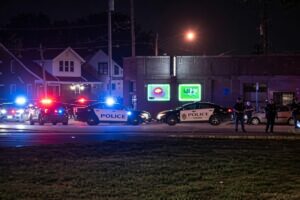
Three Police Officers Shot at Gas Station—What We Know So Far
More Stories You May Like
See More →
Ellis did the general assignment grind at a small daily for a decade, which means he can cover a hailstorm, a weird animal sighting, and a relationship trend in the same afternoon and make all three worth reading. He likes stories with a person in them, not just facts.
More from Ellis →