One of the reported targets was Kharg Island, a strategic hub for Iran’s oil exports located roughly 16 miles off the country’s southern coast in the Persian Gulf. The island plays a central role in Iran’s petroleum trade and is widely viewed as one of the most critical pieces of the nation’s energy infrastructure.
Despite the strategic importance of the location, Trump said U.S. forces intentionally avoided destroying the island’s oil export facilities, instead focusing on military-related assets.
The strikes were described as part of a broader U.S.-led military campaign known as Operation Epic Fury, aimed at degrading Iran’s military capabilities and limiting the reach of Iran-aligned militia groups operating throughout the Middle East.
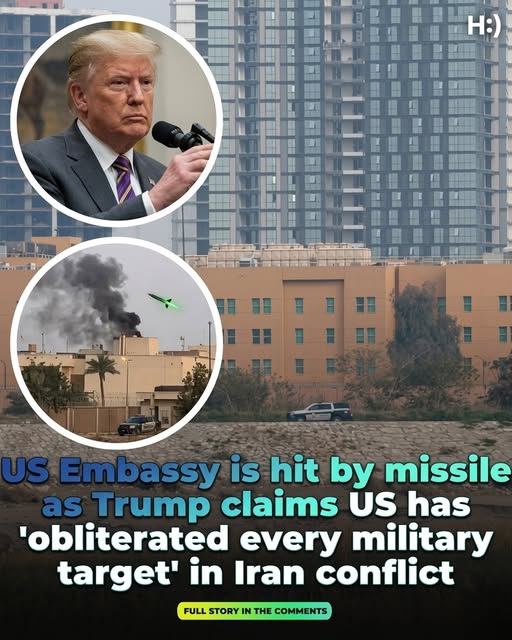
In recent weeks, Iran-backed groups have launched a series of retaliatory drone and missile attacks targeting American bases, diplomatic compounds, and other facilities across the region, particularly in Iraq. The strike on the embassy compound in Baghdad appears to be part of this growing cycle of escalation.
Regional tensions have also intensified following major political developments inside Iran. After the death of longtime Supreme Leader Ali Khamenei, leadership reportedly passed to his son, Mojtaba Khamenei, who has taken a notably more confrontational tone in public statements.
Mojtaba Khamenei has warned that Iran intends to retaliate for what it describes as heavy losses inflicted during the conflict, suggesting that further responses could continue until Tehran believes justice has been achieved.
Another growing concern among global leaders is the potential threat to the Strait of Hormuz, one of the world’s most critical oil shipping corridors. A disruption in the narrow waterway — through which a significant share of global oil supplies passes each day — could send shockwaves through international energy markets and dramatically widen the economic consequences of the conflict.
With missile strikes now reaching major diplomatic zones and military operations expanding across multiple fronts, analysts warn that the crisis risks spiraling beyond a regional confrontation. Governments around the world are closely monitoring the situation as fears grow that miscalculation or further retaliation could trigger a much broader and potentially devastating conflict.