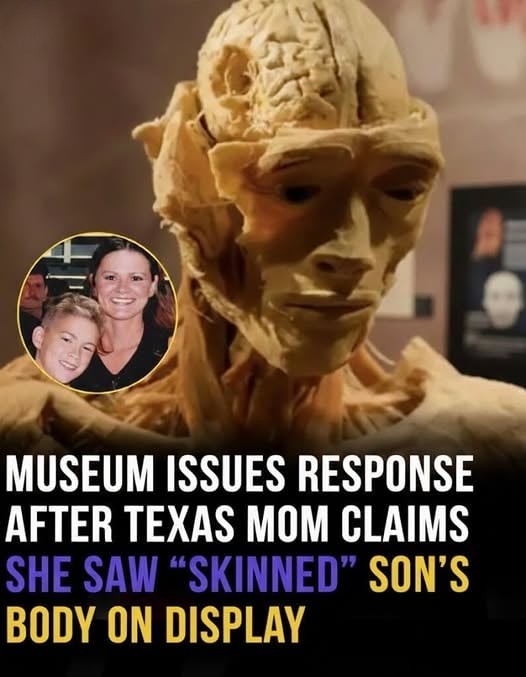
The architecture of a mother’s grief is often held together by the thin, fragile threads of unanswered questions. When Christopher passed away in 2012, Kim did not just lose a son; she lost the fundamental right to certainty. In the immediate, chaotic wake of his sudden death, a series of procedural decisions—most notably a rapid cremation arranged without her full, informed consent—stripped away the possibility of a final goodbye. This lack of closure was compounded by haunting police photographs that revealed unexplained bruising on Christopher’s body, leaving an emotional wound that refused to scar over. Even when a formal homicide investigation and a subsequent grand jury concluded that there was no evidence of foul play, the absence of physical remains meant that Kim was left with a growing void where proof should have been. For a mother, a state-sanctioned verdict is often a poor substitute for the ability to lay one’s child to rest with open eyes.
Continue reading next page…