She stopped but didn’t turn around. She already knew what she’d see: pity. And she couldn’t handle one more thing she didn’t ask for.
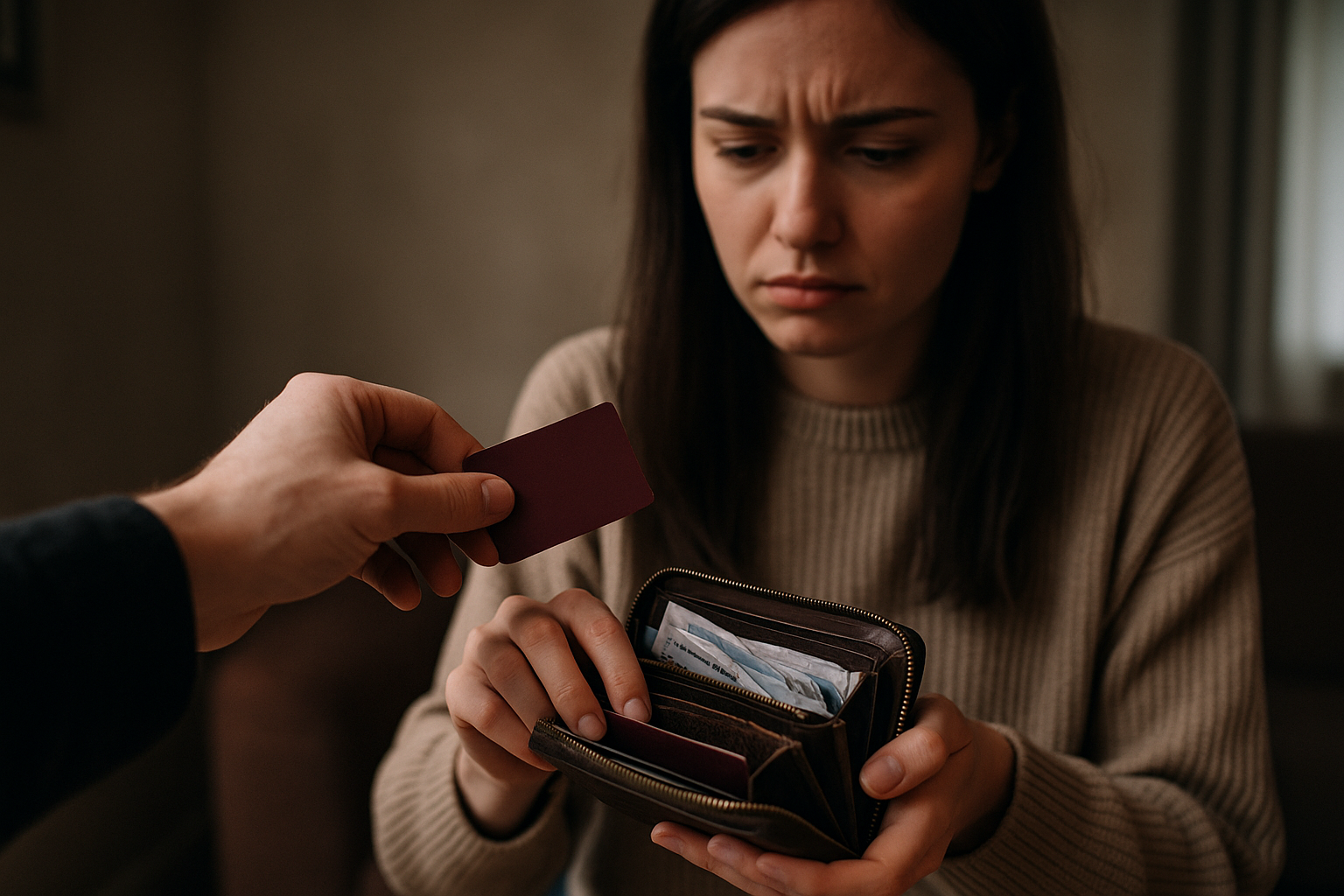
Mark stepped in front of her anyway and pulled a plain silver bank card from his coat pocket.

“Take it,” he said quietly. “There’s money on it. Just enough to help you get started. The PIN is your birthday.”
Anna’s stomach twisted. It didn’t feel like kindness. It felt like a final transaction—like he was trying to pay his way out of guilt. She took the card, not because she wanted it, but because she wanted the moment to end. She shoved it deep into her wallet, under old receipts and forgotten loyalty cards, and made herself a promise:
She would struggle before she would accept his “pity money.”
Starting Over With Nothing (On Purpose)
For nearly two years, Anna kept that promise.
She rented a tiny studio apartment where the heater rattled and the walls were so thin she could hear her neighbor’s late-night TV. She took a demanding logistics job, the kind that drains your energy and still doesn’t leave you feeling secure. She counted every expense, skipped small comforts, and built a life around one stubborn idea: independence.
That silver card stayed buried. Untouched. Unchecked.

It became a symbol of everything she refused to be—someone who needed Mark to survive.
The Emergency That Broke Her Pride
Then the call came.
City hospital. Her mother had collapsed.
The diagnosis was serious: a sudden cardiovascular blockage that required urgent, high-risk surgery. The doctors moved fast. The hospital moved faster—with forms, estimates, timelines, and numbers that didn’t feel real until Anna realized the truth:
Even if she emptied her savings and sold everything she owned, she still wouldn’t have enough.
Sitting in the hospital cafeteria, staring at the total cost, Anna felt the kind of fear that makes your hands go cold. This wasn’t about pride anymore. This was her mother’s life.
And suddenly, that vow she made on divorce day didn’t matter.
She Finally Used the Card—And Everything Changed
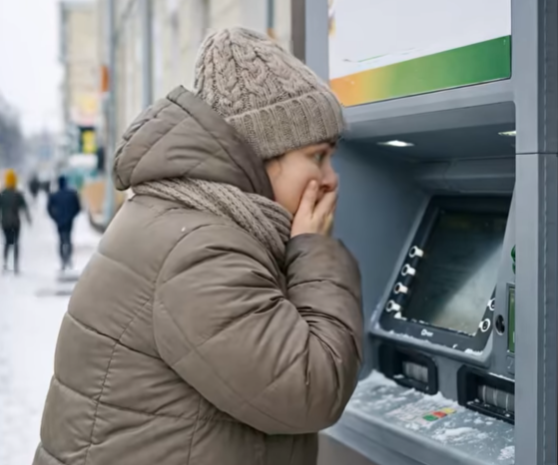
Anna walked to the ATM in the hospital lobby like she was walking to a confession.
She pulled the card out of her wallet. It looked brand new, like it had been waiting patiently while she fought her private war.
With shaking fingers, she inserted it. Entered her birth date. Held her breath.
The screen loaded slowly, then displayed the balance.
Anna didn’t gasp. She didn’t scream. She simply froze.
Because it wasn’t a “cushion.”
It was a fortune—enough to cover the surgery, yes, but also enough to change the entire direction of her life. Enough to buy stability. Enough to breathe again.
She stepped back from the ATM and leaned against the wall, trying to make sense of what she’d just seen.
Then she did the one thing she hadn’t done in two years.
She called Mark.
The Truth Behind the Money
He answered quickly—like he already knew why she was calling.
“You checked it,” he said.
Anna’s voice came out thin. “Mark… what is this? This isn’t normal. Where did this money come from?”
There was a long pause, heavy with something she hadn’t heard from him in a long time: honesty.
“After the divorce,” he admitted, “I went home and realized the silence was my fault. We didn’t end because of one huge disaster. We ended because I spent years choosing myself and leaving you to carry everything.”
Anna’s mind raced. “You’ve been adding to it… all this time?”
“Every month,” Mark said. “I didn’t think you’d ever use it. I thought you’d throw it away. But I needed it to be there—just in case life hit you hard.”
That’s when Anna finally understood: this wasn’t a random handout.
It was remorse, expressed the only way Mark knew how—quietly, consistently, in the background.
Forgiveness Doesn’t Always Look Like Reunion
Anna wiped her face and swallowed the lump in her throat.
“My mom needs surgery,” she said. “I couldn’t afford it. You… you saved her.”
Mark exhaled like he’d been holding his breath for two years. “Then it was worth it,” he said.
Anna’s voice steadied. “I’m grateful. But it ends here. No more monthly transfers. No more guilt payments. I’ll take this for her—but I’m not carrying your guilt anymore.”
She paused, then said the words that finally set both of them free:
“You’re forgiven.”
A Different Kind of Closure
The next morning, the surgery was scheduled. Anna sat beside her mother’s bed, watching her breathe, holding the card in her hand—not as a symbol of pride or humiliation, but as proof that people can be complicated.
Mark hadn’t been the husband she needed when they lived under the same roof. But in the shadows, when she wasn’t looking, he had been quietly trying to make one thing right.
And Anna realized something that changed her more than the money ever could:
Sometimes closure doesn’t come with an apology you can frame. Sometimes it comes with a choice someone makes when no one is watching.
If this story made you feel something, share your thoughts in the comments: Could you forgive an ex for the pain they caused if they showed real accountability later? And would you have checked the balance sooner—or waited like Anna did?