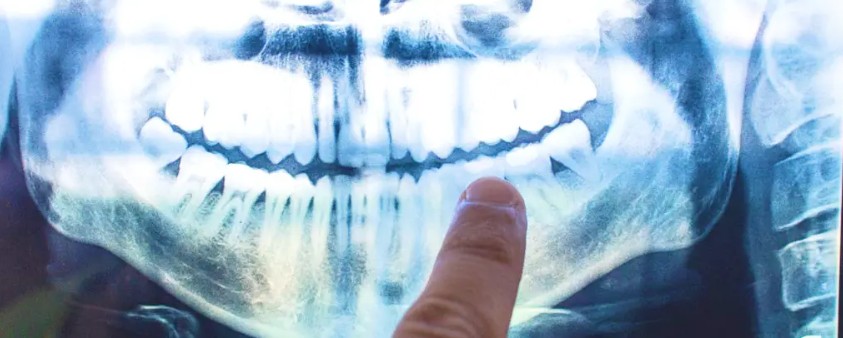
Researchers focused on gingipains, the toxic enzymes produced by P. gingivalis, and discovered that high gingipain levels were linked with tau and ubiquitin—two proteins already tied to Alzheimer’s development. Interestingly, these toxic enzymes were also found in the brains of people who were never diagnosed with Alzheimer’s. Scientists suggest this could mean the infection occurs before cognitive decline, rather than being a result of poor oral care after symptoms appear.
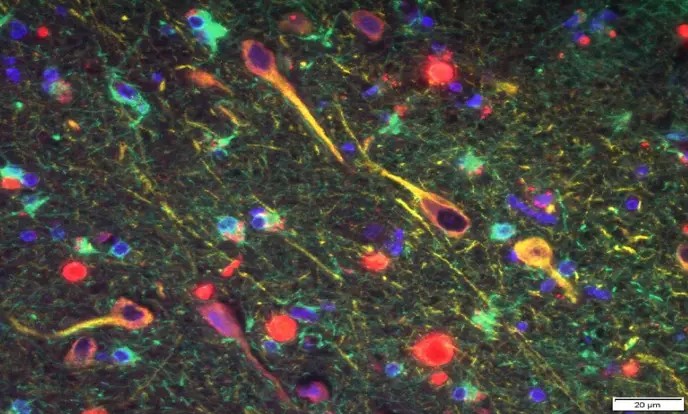
P. gingivalis’ gingipains (red) among neurons in the brain of a patient with Alzheimer’s. (Cortexyme) via sciencealert
In mice, a compound called COR388 was able to reduce beta-amyloid buildup and calm neuroinflammation, offering a glimpse of potential future therapies. While it’s still unclear if these results will translate to humans, experts say testing new approaches is critical. “With no new dementia treatments in over 15 years, it’s vital we explore all possible strategies,” said David Reynolds, chief scientific officer at Alzheimer’s Research.

The connection between gum disease and Alzheimer’s could reshape how we think about prevention and treatment—but more research is needed to confirm the findings in people.
Do you prioritize oral health as part of brain wellness? Share your thoughts below and join the conversation on emerging Alzheimer’s research.