Acceleration—and Instability
The effects were immediate. Processes that once required years of review were compressed into weeks. Public hearings, environmental studies, and bipartisan negotiations gave way to rapid repeals and celebratory press briefings.
Markets responded with enthusiasm—at least at first. Industrial sectors surged, speculative investments soared, and companies long frustrated by regulatory limits embraced the newfound freedom. But beneath the optimism, unease spread. Many corporate leaders realized that predictable rules, once essential for long-term planning, were vanishing. In their place was a volatile system where policy could shift overnight.
Environmental Policy Takes a Back Seat
The reset became unmistakably symbolic when the U.S. exited the Paris Climate Agreement for the second time. Environmental goals were deprioritized in favor of traditional energy expansion, industrial output, and short-term economic stability. Single-use plastics returned, climate targets were softened, and sustainability was reframed as an optional luxury rather than a necessity.
The message was clear: immediate economic momentum now outweighs long-term environmental risk. The administration’s philosophy rests on a calculated gamble—that future consequences can be managed later, or elsewhere.
A Society Forced to Keep Up
This acceleration has reshaped not only policy, but public psychology. Change is moving faster than the public’s ability to process it. When decisions arrive without debate or delay, uncertainty fills the gap. Anxiety, speculation, and fragmentation grow.
Civic participation has subtly shifted as well. Traditional feedback loops—public comment, legislative negotiation, gradual reform—have been sidelined by executive efficiency. Many Americans feel less like participants and more like passengers, riding a machine that has suddenly tripled its speed.
Corporate Governance, National Scale
The federal government increasingly resembles a high-velocity corporation, with the executive branch acting as CEO and Congress struggling to keep pace. In this model, checks and balances are treated less as safeguards and more as inefficiencies. Results matter more than process, and success is measured in momentum, not consensus.
Global Ripples
Internationally, the reset has sent shockwaves. Allies accustomed to U.S. leadership on climate and multilateral cooperation are reassessing their positions. America’s foreign policy has become more transactional, focused inward and less invested in maintaining global norms.
The world is watching a superpower prioritize internal restructuring over international stewardship—and adjusting accordingly.
What the Quiet Reset Really Means
The true impact of the Quiet Reset won’t be found in stock charts or press releases. It will show up years from now—in environmental health, market stability, and the long-term trust between government and citizens.
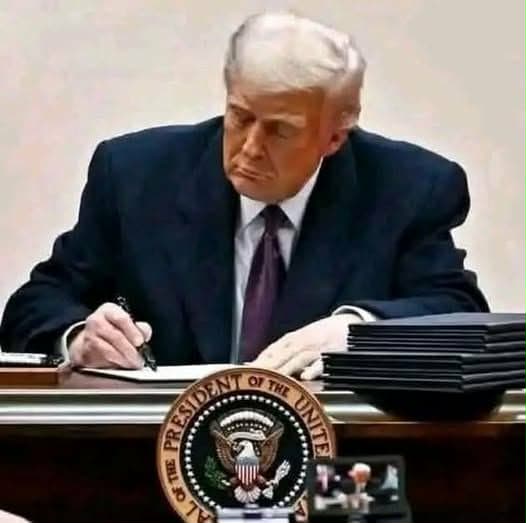
For now, the energy is high, the pace is relentless, and the pen is always ready. The nation has chosen urgency over patience, momentum over caution. Whether this leads to renewal or reckoning remains unanswered.
Time, ironically, is the one factor this reset cannot outrun.
What do you think—bold reinvention or dangerous acceleration? Share your perspective below and join the conversation.