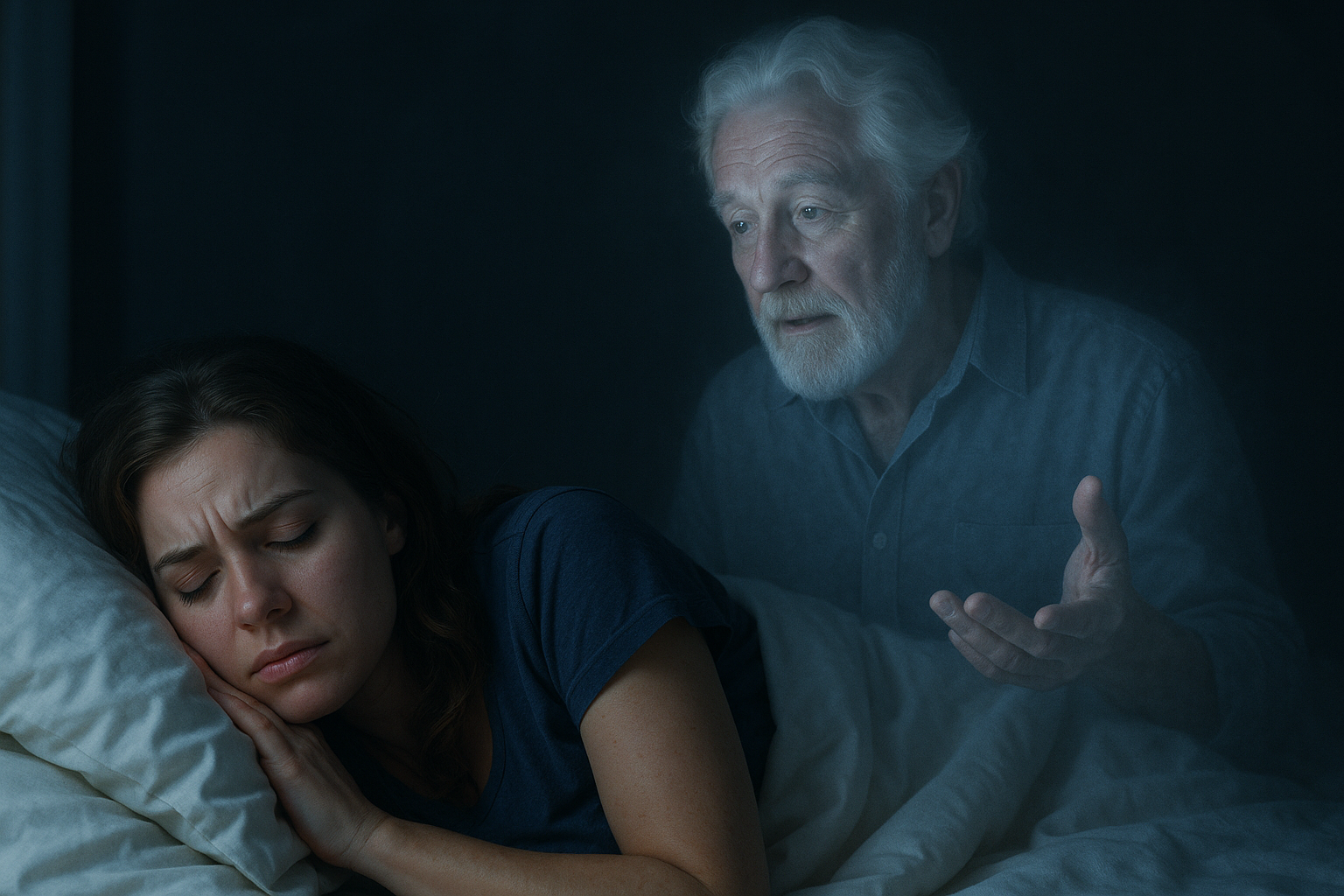
2) The dream voice can mirror your inner emotional needs
In many cases, the deceased person’s message isn’t literal communication—it’s your mind using memory and emotion to create a dialogue. The tone of the dream often matters more than the exact words.
- Comforting words may reflect a need for reassurance.
- Forgiveness may point to guilt you’re trying to release.
- Silence or distance can signal sadness, longing, or emotional numbness.
- Tension may indicate unresolved grief, anger, or regret.
Sometimes the dream provides what reality couldn’t: a moment of emotional completion.
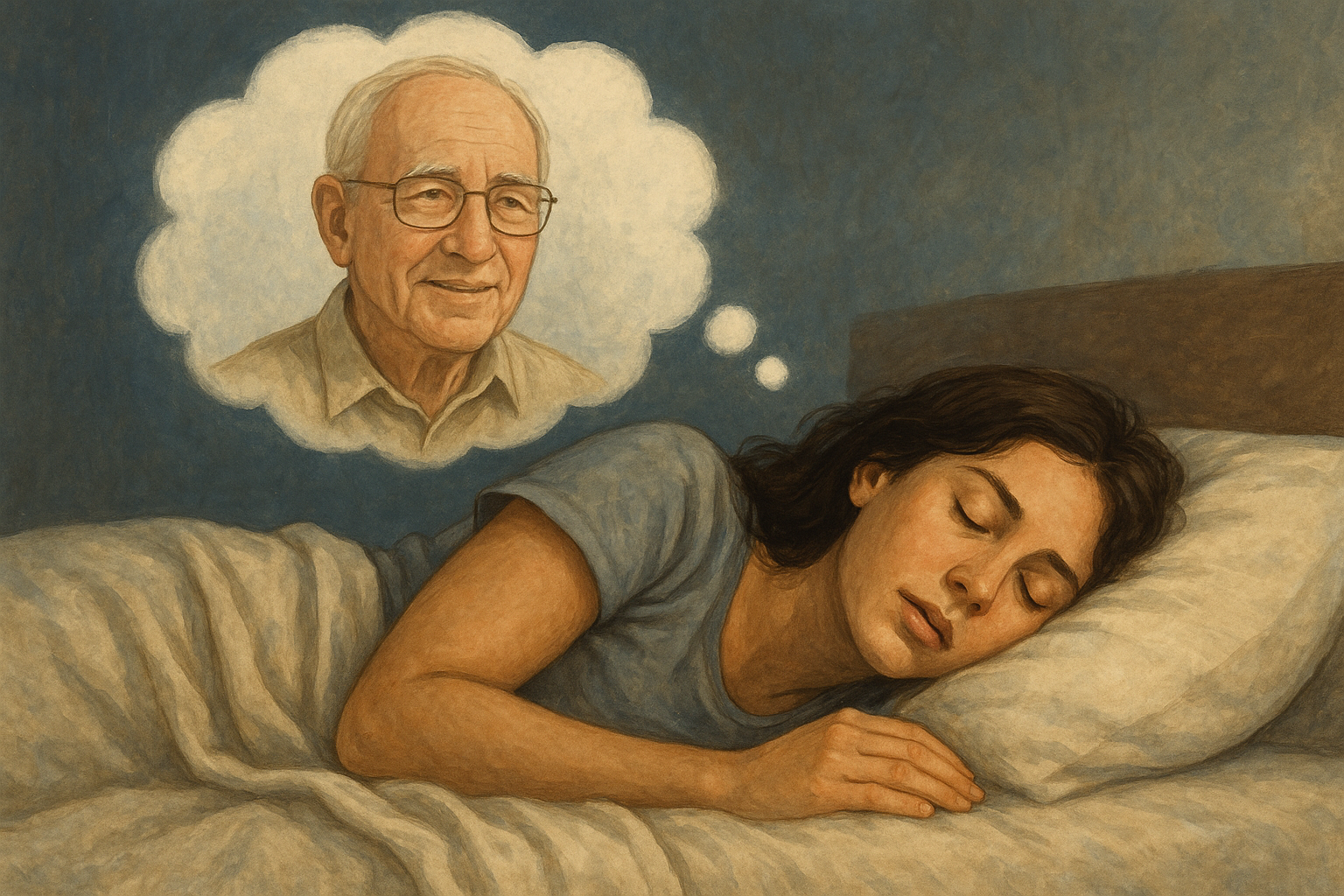
3) Your brain may be searching for closure after loss
Loss—especially sudden loss—can leave the mind struggling to accept finality. Dream conversations can act like a psychological bridge between “this can’t be true” and “this is real, and I’m learning to live with it.”
Even if the dream is sad, it may still be part of healing. A calm exchange can soften grief. A difficult exchange can mean your mind is finally confronting emotions it previously avoided. Either way, the dream can be a sign that your brain is actively processing what happened.
4) Their advice may represent internalized guidance
When someone played a major role in your life—parent, grandparent, spouse, mentor—their influence doesn’t disappear. Over time, their values and guidance become part of your own thinking.
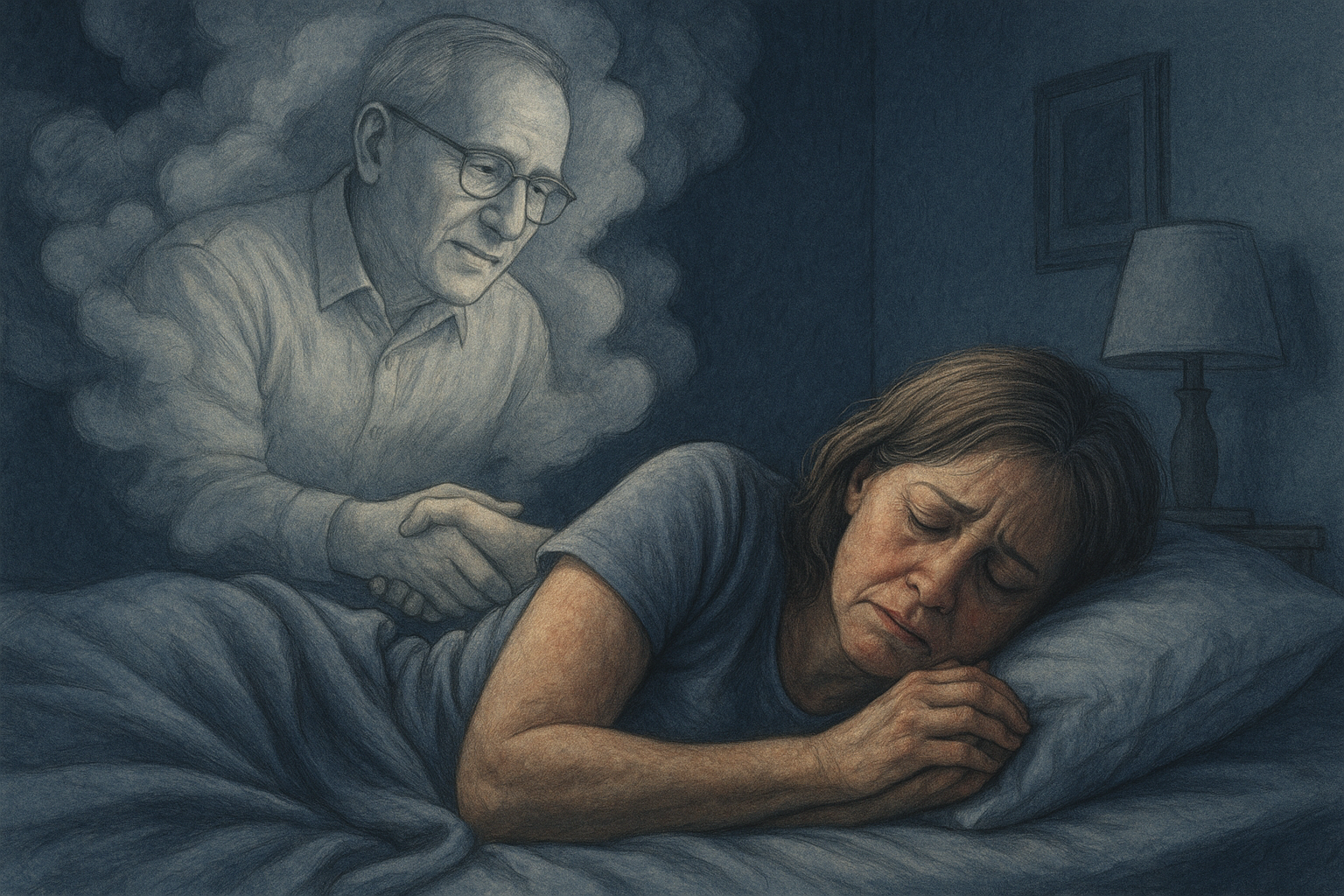
That’s why many people have these dreams during uncertainty: career changes, relationship problems, major decisions, health concerns, or family stress. Your mind may “bring them back” because they symbolize safety, wisdom, and emotional grounding. The advice you hear may be something you already know deep down, but need help trusting.
5) Continuing bonds are a normal part of healthy grief
Modern grief psychology recognizes something important: healing doesn’t always mean “letting go completely.” Many people maintain a healthy, internal connection to someone they’ve lost. This is called continuing bonds.
Dreams can be one way that bond shows up. The relationship changes form, but it doesn’t vanish. And for many, that ongoing connection supports resilience instead of preventing recovery.
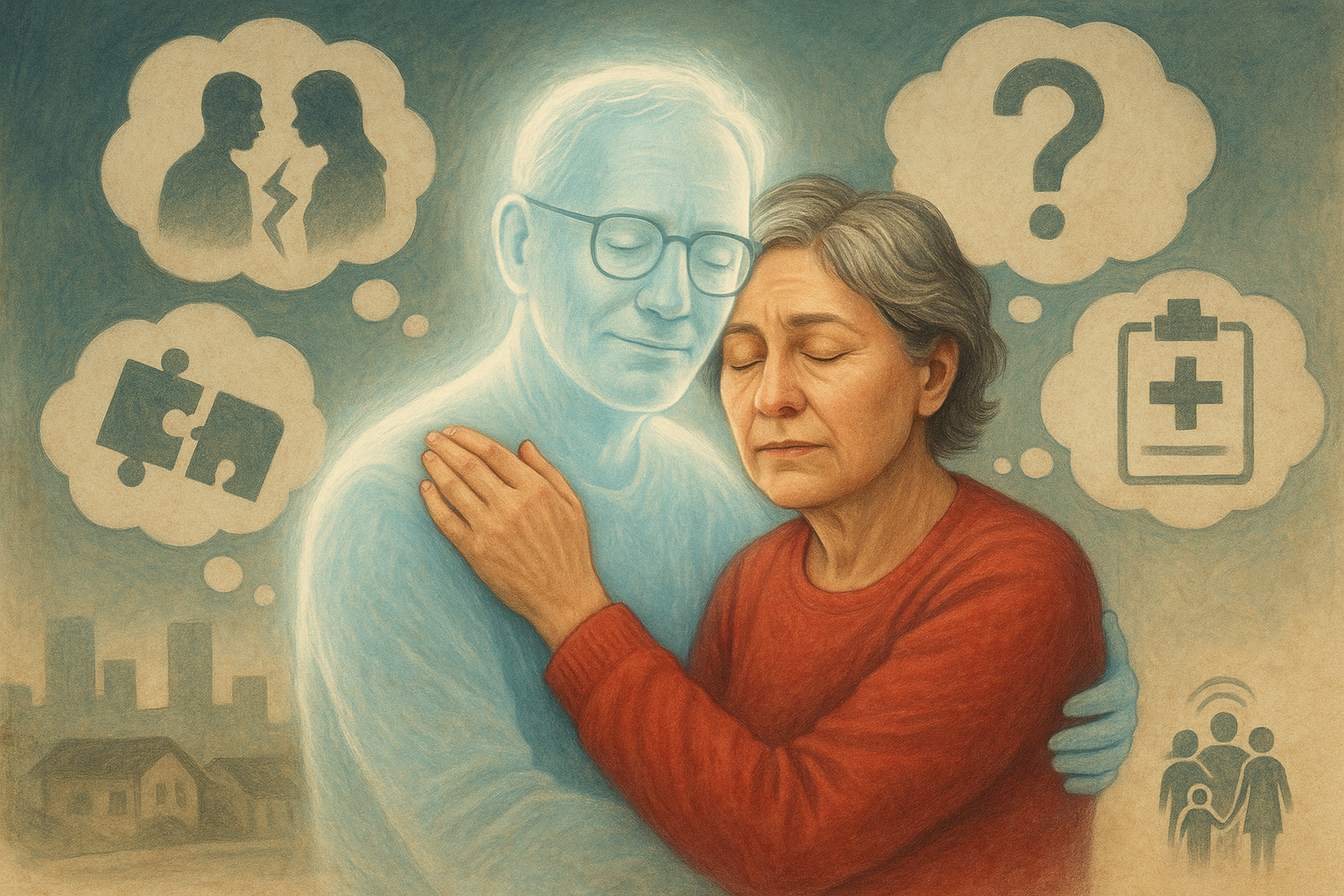
6) Stress and life transitions can trigger dreams of the deceased
These dreams often appear during periods of vulnerability—when your nervous system is overloaded and your emotions are closer to the surface. Your mind may reach for familiar figures associated with protection and stability.
In that way, the dream can work like emotional regulation: it may reduce anxiety, restore balance, or remind you that you’ve survived hard moments before.
7) The emotional tone is usually the biggest clue
Different cultures and belief systems interpret dreams of the dead in different ways—some as spiritual encounters, others as memory and emotion at work. Either way, the most helpful question is often:
How did the dream make you feel?
- Peaceful dreams often suggest acceptance, integration, or comfort.
- Unsettling dreams may point to guilt, fear, unresolved conflict, or complicated grief.
If a dream leaves you distressed for a long time, journaling it and talking with a grief-informed therapist can be a practical, supportive next step.
These dreams are common—and not a sign something is “wrong”
Dreaming of a deceased loved one speaking to you does not automatically mean denial, obsession, or inability to move forward. For many people, it’s simply the mind doing what it’s designed to do: processing attachment, love, loss, and change.
Rather than focusing on whether the dream was “real,” it can be more useful to reflect on what it revealed about your current emotional state and what you may need right now—comfort, closure, forgiveness, or support.
Final thought
When a deceased loved one speaks to you in a dream, it’s rarely random. It often rises from memory, attachment, and the brain’s ongoing effort to make sense of loss. And sometimes, those dream conversations can offer genuine comfort—because they remind you that love can still feel present, even when someone is gone.
CTA: Have you ever had a dream where a loved one who passed away spoke to you? Share what happened (and how it made you feel) in the comments—your story may help someone else feel less alone.