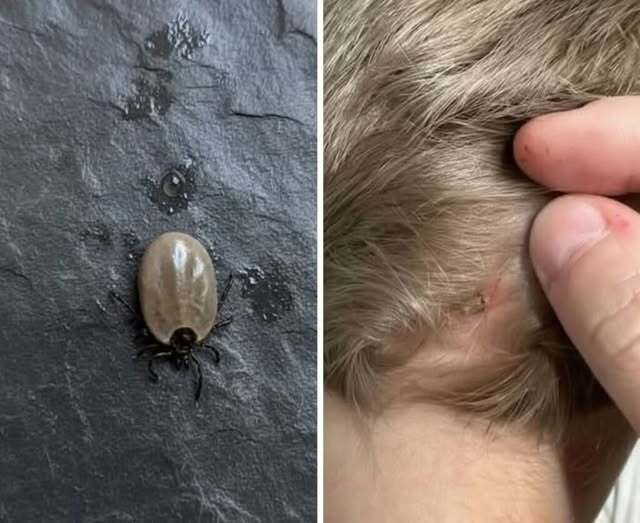
Experts suggest a calm, systematic approach. First, remain composed—your child can pick up on stress, which can make the situation worse. Examine the hair carefully under good lighting. Ticks often appear darker and are attached to the scalp or skin, whereas lice move freely on the strands and lay tiny white eggs (nits) near the scalp. Having a fine-toothed comb on hand can make detection easier.
Prevention is also critical. Regular hair checks, especially after outdoor activities, can catch infestations early. For ticks, consider protective clothing and insect repellents designed for children. For lice, educating kids about avoiding head-to-head contact and keeping personal items separate can reduce transmission.
While spotting a tiny insect in your child’s hair can trigger immediate alarm, knowledge and preparedness help parents respond confidently and effectively. Early detection, careful removal, and preventive habits make it easier to protect children while still allowing them to explore and enjoy the outdoors safely.
Remember, these encounters are common, and with the right approach, they rarely result in serious harm.
Have tips for keeping your kids safe from ticks and lice? Share your strategies in the comments and help other parents stay prepared while enjoying outdoor adventures.