The series designation can also matter. Different versions of $20 bills may include different design features, so checking reliable references is a better starting point than relying on viral claims or social media posts.
What Readers Should Know
If you find a $20 bill that seems unusual, start with a careful inspection. Look at the serial number, the series year, the overall design, and the condition of the note. Compare it with another bill of the same type if you can.
Condition is important in currency collecting. A crisp, clean note often attracts more interest than a worn or damaged one, even when both have the same design or feature.
Be cautious with claims that ordinary-looking bills are automatically worth hundreds or thousands of dollars. Some banknotes can carry collector premiums, but serious value usually depends on evidence, rarity, demand, and authentication.
If you believe you have a genuine printing error, consider asking a reputable currency dealer or professional grading service to review it before selling, storing, or spending it. That can help separate a true production issue from normal circulation damage.
An unusual $20 bill can be a fun discovery, even if it turns out to be common. The smart move is to compare, verify, and learn what you are really looking at before assuming you have found a hidden payday.
 Read Next Story →
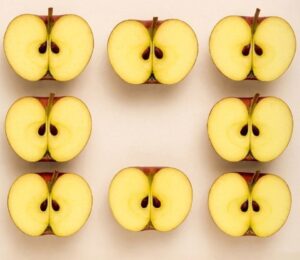
How Many Apples Do You See? This Simple Riddle Has Two Answers
More Stories You May Like
See More →


Odette is the one who sees a headline about an unusual wildlife report at 7am and has 900 words on it by lunch. She's a generalist in the best sense: endlessly curious, fast, and allergic to dull writing.
More from Odette →