The Herb Behind the Viral Photo: What Experts Say About Its Potential Benefits

Viral Herb Photo Claims to Cure Multiple Diseases: What Does the Evidence Really Say?
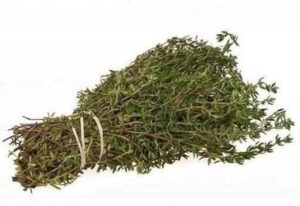
A viral Facebook image featuring a bundle of small-leaved herbs has attracted attention for its sweeping claims about natural healing. The graphic links the pictured plant to parasites, urinary tract infections, herpes, flu, arthritis, sciatica, Candida and several other health conditions. But does the available evidence support these claims?
The herb resembles thyme, although its identity cannot be confirmed from the photograph alone. More importantly, the image provides no scientific evidence that the plant can cure the diseases listed around it.
In this article, we examine the viral graphic, compare the plant's appearance with recognized herb descriptions, and explore what reputable health sources say about its alleged benefits.
A note about the image: The graphic is discussed as an example of a viral health claim. Its statements are being evaluated, not endorsed as medical advice or proven treatments.
What Herb Is Shown in the Viral Photo?
The bundle features small leaves attached to thin, somewhat woody stems. These characteristics are consistent with thyme, a culinary herb commonly used in cooking. However, visual similarities alone are not enough to establish a reliable botanical identification.
According to North Carolina State Extension's description of common thyme, the plant has small leaves and semi-woody stems. Oregano is another aromatic herb with a somewhat similar appearance, as described in University of California's oregano guidance.
These comparisons offer useful context, but neither source identifies the exact plant shown in the viral image.
The graphic does not provide a scientific name, a product label or sufficiently detailed botanical information. Consequently, identifying the bundle as thyme, oregano or another herb with confidence would go beyond the available evidence.
The key takeaway: The plant's appearance may suggest thyme, but its identity remains unconfirmed. A photograph should never be the sole basis for identifying an unfamiliar plant intended for consumption.
Can This Herb Really Cure So Many Diseases?
The short answer is that the image does not establish that it can.
 Up Next: Page 2 of 5
The graphic makes claims about several unrelated health problems, including infections caused...
The image provides no identifiable clinical study, tested preparation, dosage information or documented treatment outcomes. Without that information, readers cannot determine whether...
Continue Reading