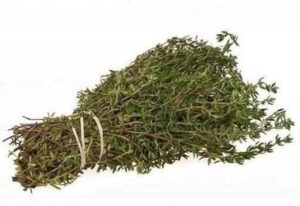
The viral image does not identify a particular parasite, describe a tested treatment or provide evidence of successful treatment in humans.
Consequently, it cannot support a general claim that the pictured herb eliminates parasites.
5. Candida and Yeast Infections
Candida is a type of yeast that can cause infections in different parts of the body. Treatment depends on the location, severity and circumstances of the infection.
The CDC's candidiasis treatment guidance describes antifungal treatments used for these infections.
Even if a plant compound demonstrates antifungal activity in a laboratory, that finding alone does not establish an effective or safe treatment for Candida infections in people.
The image offers no clinical evidence that the pictured herb can replace appropriate antifungal treatment.
Can the Herb Relieve Arthritis, Joint Pain or Sciatica?
These claims also require careful examination because joint disorders and nerve pain are different from infectious diseases.
Arthritis describes a group of conditions affecting joints. Depending on the type, symptoms may involve pain, stiffness, swelling and reduced mobility. The National Health Service's arthritis overview explains the range of conditions covered by the term.
Sciatica, by contrast, involves pain associated with irritation or compression of the sciatic nerve. Symptoms can extend from the lower back into the buttock and leg. The NHS sciatica guide describes its symptoms and management.
An antimicrobial effect observed in laboratory research does not establish that an herb can treat arthritis or relieve nerve compression.
The viral image provides no clinical evidence demonstrating that the pictured plant effectively treats either condition. Persistent or worsening joint pain and nerve symptoms deserve an assessment based on their underlying cause.
Why Herbal Preparations and Essential Oils Are Not Interchangeable
One important detail often overlooked in viral health posts is that a culinary herb, an herbal tea, a standardized medicinal preparation and an essential oil are not equivalent products.
 Up Next: Page 5 of 5
Their concentrations, chemical composition, intended uses and potential risks can differ substantially.
Essential oils are concentrated substances that may cause irritation, allergic reactions or poisoning when used improperly. Poison Control's essential-oil safety guidance explains...
Continue Reading