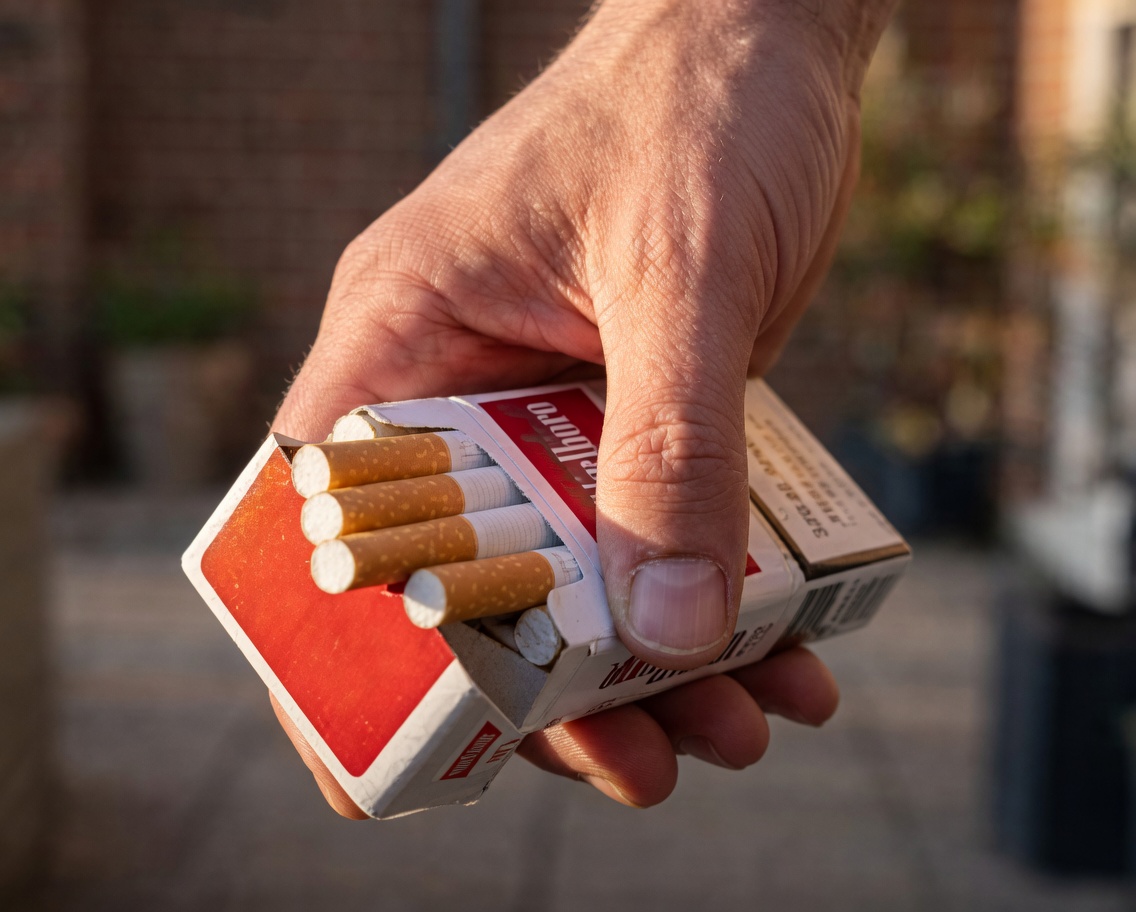
Since January 1, 2026, another round of increases has pushed many well-known cigarette brands to roughly €12.50 to €13 per pack. Lower-cost options have become harder to find, leaving smokers with fewer ways to reduce the expense.
The cost becomes even clearer for people who buy in larger quantities. A carton can now range from about €250 to nearly €390 depending on the brand. Rolling tobacco has also become more expensive, with some 30-gram pouches nearing €19.
For regular smokers, this is not just a price change. It is a household budget issue, especially at a time when many consumers are already watching spending on food, transport, housing and energy.
Why the Government Wants Prices Higher
French authorities have been clear about the goal: make tobacco less affordable over time in order to reduce smoking rates. Public health officials continue to link smoking to about 75,000 deaths each year in France, and policymakers see higher prices as one of the strongest tools for discouraging tobacco use, particularly among younger people.
Since 2023, tobacco taxes in France have also been connected to inflation. That creates a mechanism for automatic yearly increases, rather than relying only on occasional political decisions. If that path continues, cigarette packs could move much closer to €20 within the next decade.
Supporters of the policy argue that higher prices can prevent some people from starting and encourage others to quit. Critics say the rising cost can also push smokers toward cheaper alternatives, cross-border purchases or illegal tobacco sales.
The Bigger Picture
France’s tobacco policy is not happening in isolation. In nearby countries, cigarette prices are often much lower, in some cases close to half the French price. That gap has encouraged cross-border shopping and raised concerns about smuggling and black-market tobacco.
Local tobacconists are also affected. While they sell a highly regulated product, they face pressure from customers looking for cheaper options elsewhere. Law enforcement, meanwhile, must deal with illegal supply chains that grow more attractive as official prices rise.
France has also tightened rules on where people can smoke. Smoking is banned in enclosed public spaces and increasingly restricted in outdoor areas such as parks, beaches, bus shelters and places near schools. Fines can apply for smoking or vaping in restricted zones, as well as for throwing cigarette butts on the ground.
The result is a major shift in how tobacco fits into daily life. It is more expensive, more regulated and less socially accepted than it once was.
Whether higher prices reduce smoking or simply change where people buy tobacco remains a key question for consumers, health officials and small retailers alike.