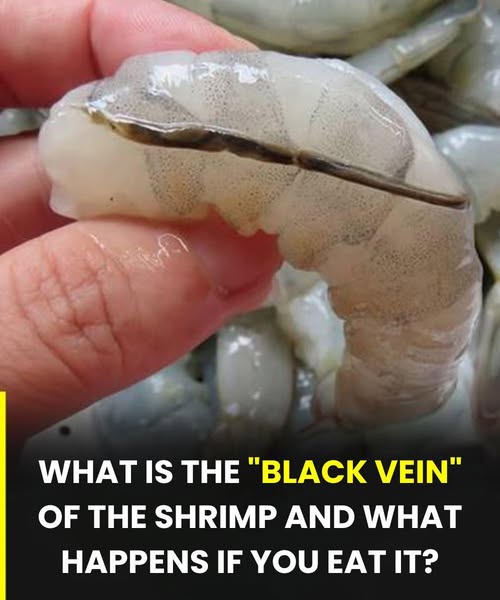
Shrimp has long held a prestigious position in the global culinary pantheon, celebrated for its versatility, snap, and the way it effortlessly absorbs the complex flavors of garlic, citrus, and spice. From the rustic shrimp boils of the American South to the sophisticated gambas al ajillo of Spain, this crustacean is a staple of both high-end gastronomy and humble home cooking. Yet, for all its popularity, there remains a persistent point of contention that haunts kitchen counters and dinner table conversations alike: the mysterious dark line tracing the curve of the shrimp’s back. Often referred to colloquially as the “vein,” this anatomical feature is the subject of endless debate, leaving many to wonder whether its removal is a matter of strict hygiene, culinary snobbery, or simple aesthetics.
To master the art of preparing seafood, one must first look past the common terminology and understand the true nature of this anatomical feature. Despite its widespread moniker, the “vein” is not part of the shrimp’s circulatory system. In reality, it is the creature’s digestive tract, effectively acting as the intestine. Because shrimp are bottom-dwellers and opportunistic feeders, their diet consists of algae, plankton, and various organic particles found on the ocean floor. The dark coloration that many find unappealing is simply the visible evidence of the shrimp’s last meal. Depending on what the shrimp consumed before it was harvested, this line can range from a faint, translucent gray to a deep, gritty black.
Continue reading next page…