Their Acne Is Severe—But the Story Behind Their Skin May Surprise You
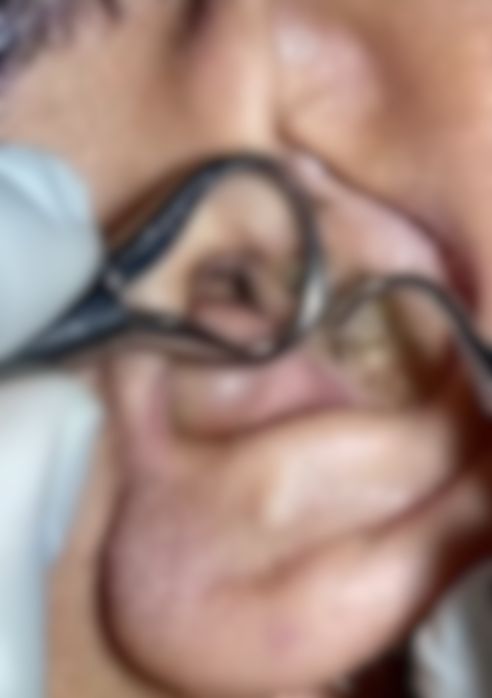
Acne is often considered a teenage skin problem, but breakouts can continue well into adulthood. For some people, occasional pimples disappear with basic skincare. For others, acne becomes persistent, painful, and difficult to manage, even after trying multiple over-the-counter products.
If you regularly experience deep, painful cysts, hard nodules, or stubborn adult acne, it may be time to consult a dermatologist.
Ignoring severe acne can increase the risk of permanent scarring, dark spots, and ongoing skin inflammation. Fortunately, several effective medical treatments are available to help control breakouts and improve skin health.
But how do you know when ordinary acne requires professional attention?
Here are seven important warning signs to watch for.
1. You Have Deep, Painful Acne Cysts
Not all pimples are the same. While ordinary pimples usually develop near the surface of the skin, cystic acne forms much deeper.
These breakouts can appear as large, swollen, tender bumps beneath the skin. They may feel painful when touched and can remain for weeks.
Cystic acne is a more severe form of inflammatory acne and may require prescription treatment.
Why you should see a dermatologist:
Deep acne cysts can damage surrounding skin tissue and increase the likelihood of permanent scarring. A dermatologist can assess the severity of your condition and recommend an appropriate treatment plan.
Avoid squeezing or attempting to drain these bumps at home, as doing so can worsen inflammation and increase the risk of infection and scarring.
2. You Notice Hard Nodules Beneath Your Skin
Acne nodules are large, solid lumps that develop deep beneath the skin’s surface.
Unlike typical whiteheads, they may not have a visible head. Instead, they often feel firm, swollen, and painful.
Nodular acne commonly affects the face, jawline, chest, shoulders, and back.
 Up Next: Page 2 of 5
These lesions can take a long time to heal and may leave...
A dermatologist can distinguish nodular acne from other skin conditions and determine whether prescription medication or another medical treatment is necessary.
Continue Reading