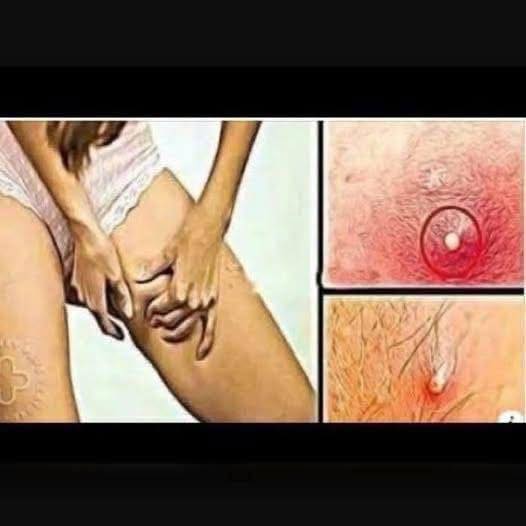
Another possible cause is folliculitis, which is the inflammation or infection of hair follicles. This condition usually appears as small red pimples, sometimes filled with pus, surrounding the hair follicles. Folliculitis can be caused by bacteria, fungi, friction from clothing, or even clogged pores. Sweating and tight underwear can worsen the irritation by trapping moisture against the skin. Mild cases often clear up on their own, but antibacterial soaps, topical antibiotic ointments, and maintaining good hygiene can help speed up recovery. Wearing loose, breathable fabrics can also reduce friction and prevent new flare-ups.
A very common fungal condition in the groin region is jock itch, medically known as tinea cruris. This infection is caused by fungi that thrive in warm, damp environments such as locker rooms, gyms, or sweaty clothing. It usually presents as a red or brownish rash that may form a ring-like pattern with defined edges. The rash often causes intense itching and may spread to the inner thighs or buttocks if left untreated. Keeping the area clean and dry is one of the most important steps in managing jock itch. Over-the-counter antifungal creams, powders, or sprays are often effective in clearing the infection when used consistently for several weeks.
Contact dermatitis is another common reason for groin irritation. This condition occurs when the skin reacts to certain substances, such as soaps, detergents, scented hygiene products, fabric dyes, or synthetic materials. The reaction may cause redness, itching, swelling, and sometimes small blisters or dry patches. Because the groin area has sensitive skin, it can react quickly to harsh chemicals or fragrances. Identifying and avoiding the irritant is the most important step in treatment. Switching to mild, fragrance-free soaps and detergents can help prevent further irritation. In some cases, applying a mild hydrocortisone cream may reduce inflammation and itching.
Intertrigo is another skin condition that frequently develops in areas where skin folds rub together. In the groin, constant friction combined with trapped moisture can cause redness, soreness, and a burning sensation. The affected skin may appear raw or shiny, and in some cases, secondary bacterial or fungal infections can develop. Maintaining dryness in the area is key to preventing intertrigo. Using absorbent powders, wearing loose clothing, and applying protective barriers like zinc oxide creams can reduce friction and protect the skin.
In addition to these conditions, excessive sweating, poor hygiene, tight clothing, and prolonged physical activity can all contribute to irritation in the groin region. Even small lifestyle habits—such as staying in sweaty workout clothes for too long—can create an environment where infections are more likely to develop.
Preventing groin irritation often involves simple daily habits. Maintaining good hygiene by washing the area regularly with gentle soap and water is essential. After bathing or exercising, thoroughly drying the skin can prevent moisture buildup. Wearing loose, breathable fabrics such as cotton underwear allows better airflow and reduces friction. Changing out of sweaty clothing quickly and avoiding heavily scented products can also protect the sensitive skin in this area.
If irritation persists for more than a few days, spreads, becomes painful, or is accompanied by swelling, discharge, or fever, it is important to seek medical advice. A healthcare professional can properly diagnose the cause and recommend appropriate treatments, which may include prescription creams or medications.
By understanding the possible causes and practicing good skin care habits, most cases of groin irritation can be managed effectively and prevented in the future. Early attention to symptoms and proper hygiene can go a long way in keeping the skin healthy, comfortable, and free from recurring problems.