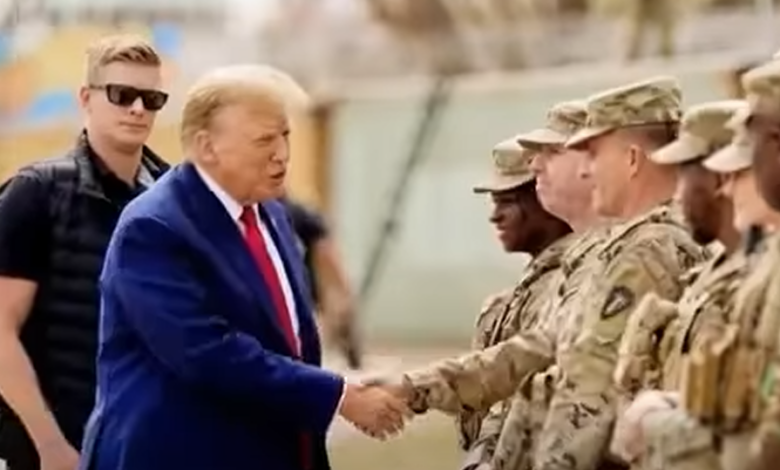
While the deployment is officially administrative, the sight of military personnel in uniform working in ICE facilities has drawn attention and concern. For some communities and civil rights advocates, the presence of armed forces in immigration centers raises questions about the potential militarization of domestic operations. Critics argue that it could alter the perception of immigrants and the role of law enforcement, even if the troops themselves do not engage in enforcement.
Supporters, however, view the move as practical. Federal agencies have faced a high volume of cases, transportation challenges, and administrative demands that are difficult to manage without additional support. From this perspective, the Marines provide a disciplined and organized force to help streamline operations, allowing civil agencies to operate more efficiently.
The Marines themselves are navigating a unique assignment. Trained for combat and tactical missions, they are now performing logistical and administrative duties. While some see this as a minor deployment, the symbolic nature of the assignment has drawn significant public interest.
Legal experts note that the deployment raises questions under the Posse Comitatus Act, which limits the use of federal military personnel in domestic law enforcement. Administration officials maintain that because the Marines are performing support functions and are not engaged in arrests or law enforcement actions, the assignment remains within legal boundaries.
The debate also touches on broader societal and political issues. For some, the deployment is a necessary step to maintain order within an overstretched system. For others, it is a concerning precedent, highlighting the blurred lines between military and civilian functions. Observers emphasize that how the military is used in domestic operations may shape public perception and policy decisions for years to come.
As the Marines continue their assignments, public and legal scrutiny is expected to remain high. Both sides of the discussion agree that the deployment underscores larger challenges facing U.S. immigration systems, the role of federal agencies, and the proper boundaries for military involvement in domestic matters.