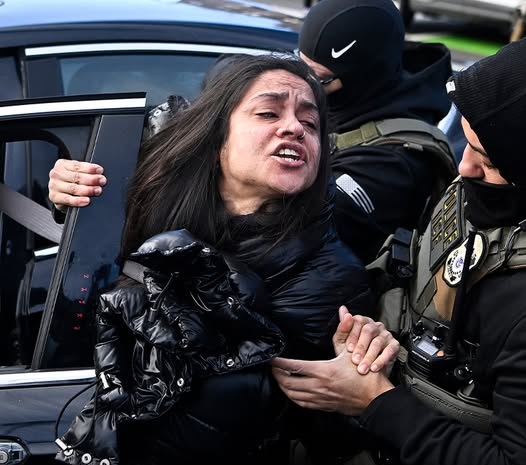
The video, which began circulating widely on social media on January 13, 2026, appears to show several federal agents interacting with a woman seated in her car during a tense encounter on a city street. According to individuals who shared the footage, the woman stated that she has a disability and was attempting to attend a medical appointment at the time of the incident.
Background: Recent Fatal Shooting
The latest video emerged shortly after the January 7, 2026, shooting death of Renee Nicole Good, a 37-year-old mother of three, during a federal operation in Minneapolis. Good was shot by an ICE officer after her vehicle was stopped in a residential area.
Federal authorities, including the Department of Homeland Security (DHS), stated that the officer fired in self-defense, asserting that the vehicle posed an immediate threat. However, local officials and civil rights organizations reviewing publicly available video footage have questioned whether the circumstances warranted the use of deadly force. Multiple investigations into the shooting remain ongoing.
Details of the Viral Video
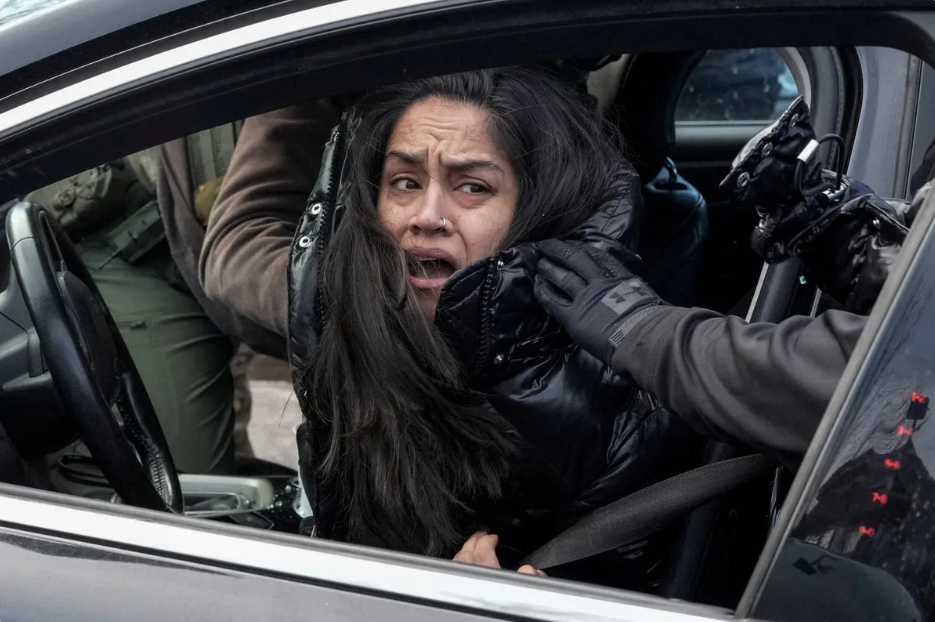
In the more recent video, several agents wearing tactical gear are seen approaching a car stopped near an area where protests had been taking place. One agent opens the driver’s door, and the woman is pulled from the vehicle and placed on the ground.
During the encounter, the woman can be heard saying that she is disabled and identifying herself as autistic. She also states that she was on her way to a doctor’s appointment. Bystanders nearby appear visibly distressed, with some questioning the agents’ actions.
Authorities have not publicly identified the woman or released detailed information about the circumstances leading up to the encounter. Some reports suggest the vehicle may have been positioned in a way that interfered with law enforcement activity, though this has not been independently confirmed.
Official Response
DHS officials have defended ICE operations in Minneapolis, stating that agents are conducting lawful enforcement actions in complex and often high-pressure environments. Officials emphasized that officers are trained to handle encounters involving civilians, including individuals with disabilities, while also prioritizing officer safety.
The Department of Justice has stated that, at this time, there is no basis for a federal criminal civil rights investigation related to the earlier shooting. That position has drawn criticism from civil rights advocates, who argue that greater oversight is needed.
Community and Political Reaction
The incidents have prompted protests, vigils, and public demonstrations across the Minneapolis–Saint Paul area. Local and state officials have called for independent investigations into both the fatal shooting and the more recent encounter captured on video.
Some Minnesota leaders have expressed concern about the presence of federal immigration agents operating in residential neighborhoods, particularly during periods of heightened community tension. Advocacy groups have also raised questions about the treatment of vulnerable individuals during enforcement actions and the need for clear protocols to prevent escalation.
Legal and Civil Rights Considerations
Legal experts note that federal agencies are required to comply with civil rights laws, including disability protections, during enforcement activities. At the same time, immigration enforcement operates under federal authority, creating a complex legal environment when incidents occur in densely populated urban areas.
The family of Renee Nicole Good has retained legal counsel and is pursuing civil action related to her death. Investigations by local, state, and federal agencies remain ongoing.
Broader Implications
The Minneapolis incidents have drawn national attention and renewed debate over immigration enforcement, use-of-force standards, and accountability for federal law enforcement agencies. Social media has amplified public reaction, with footage and commentary spreading rapidly across multiple platforms.
Analysts say the events highlight broader questions about how federal enforcement operations are conducted in local communities, how vulnerable individuals are protected, and how transparency is maintained when incidents occur.
Conclusion
As investigations continue, the shooting of Renee Nicole Good and the viral video showing a woman removed from her vehicle remain focal points in discussions about federal authority, civil liberties, and law enforcement practices. Officials, advocates, and community members alike are calling for clarity, accountability, and measures to prevent similar incidents in the future.
The outcomes of ongoing investigations are expected to play a key role in shaping policy discussions and public trust moving forward.