“Let me know if something is making you uncomfortable.”
These statements do not promise a perfect outcome. Instead, they help patients understand that their concerns matter.
For someone waiting for surgery, knowing what to expect can make the experience feel less intimidating.
How Calm Communication Can Reduce Preoperative Stress
Communication plays an important role in the patient experience.
When healthcare professionals explain procedures clearly, patients have a better opportunity to understand what is happening and express their concerns.
A calm tone, patient listening, and simple explanations may help reduce uncertainty and make the hospital environment feel less overwhelming.
For example, a patient who is worried about anesthesia may benefit from speaking directly with the anesthesiologist. Someone concerned about postoperative pain may need an explanation of the available pain-management options.
The nurse can help identify these concerns and direct questions to the appropriate healthcare professional.
It is also important to recognize that reassurance does not work identically for everyone.
Some patients prefer detailed explanations. Others appreciate a short conversation, while some feel more comfortable with quiet support.
Good nursing care involves recognizing these differences rather than assuming that every patient needs the same approach.
What Research Says About Anxiety Before Surgery
Preoperative anxiety is a well-recognized issue in healthcare, and researchers have studied how it affects patients before and after surgical procedures.
Anxiety may influence how patients perceive pain, experience the hospital environment, and respond to the overall surgical experience.
When someone feels frightened, the body’s stress response can become more active. This may contribute to changes in heart rate, breathing, and muscle tension.
Several approaches may help patients manage these feelings, depending on their individual circumstances.
These include:
Clear medical information: Understanding the procedure, anesthesia, and recovery process can help reduce uncertainty.
Emotional support: Compassionate communication allows patients to discuss concerns without feeling judged.
Relaxation techniques: Appropriate breathing exercises and relaxation strategies may help some individuals manage stress.
Professional guidance: Patients experiencing significant anxiety may benefit from discussing additional support with their healthcare team.
However, a reassuring conversation should not be presented as a treatment that prevents surgical complications or guarantees faster recovery.
 Up Next: Page 3 of 5
Its primary purpose is to support the patient’s emotional well-being and improve...
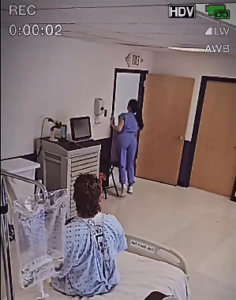
Nurses frequently spend more time communicating directly with patients than other members of the surgical team.
Continue Reading