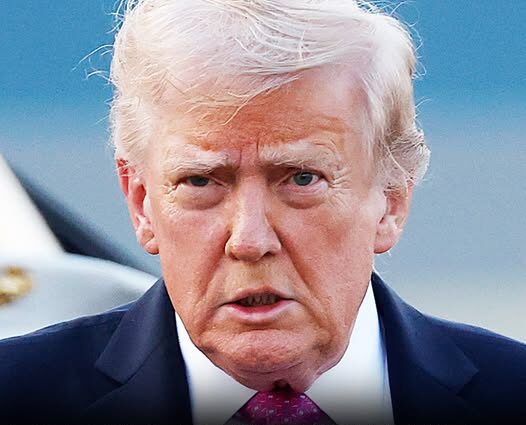
For Democrats, this wasn’t just another headline. Many described it as a tipping point, arguing that Trump’s behavior reflected impaired judgment with potentially dangerous consequences. Calls circulated in Congress to explore Section 4 of the 25th Amendment, the part designed to remove a sitting president deemed unable to perform the duties of office.
Ratified in 1967, the 25th Amendment allows the vice president and a majority of the Cabinet to declare a president incapacitated. Once delivered to Congress, the vice president becomes acting president. But if the president disputes it, Congress must vote—requiring two-thirds approval in both chambers to keep the president sidelined. In short, it’s extremely difficult to pull off.
Still, the fact that lawmakers are openly discussing it shows just how fraught the political climate has become.
Several Democratic officials have been blunt. Rep. Yassamin Ansari described Trump as “extremely mentally ill” and accused him of endangering lives through erratic decision-making. Some Republicans, including Rep. Don Bacon and Sen. Mitch McConnell, expressed discomfort with Trump’s behavior, though they stopped short of endorsing 25th Amendment action.
Trump, of course, has defenders. They argue his messages are political theater, not evidence of incapacity. Voters were aware of his temperament, they note, and disagreement over tone or policy doesn’t meet the constitutional standard for removal.
Legal experts generally agree that invoking the 25th Amendment here would face massive hurdles. Constitutional law professor Mark Graber explains it was intended for clear cases of medical or physical incapacity, like unconsciousness or severe cognitive impairment. Political recklessness, no matter how alarming, likely doesn’t qualify. Many scholars suggest impeachment remains the proper tool for addressing alleged misconduct, even if it’s politically challenging.
Trump’s supporters warn that treating political opponents as mentally unfit could set a dangerous precedent, one that could be abused in the future whenever partisan tensions spike.
Internationally, the fallout is already visible. Trump’s comments about Greenland and NATO have unsettled European leaders, who worry about America’s reliability. Diplomats note that personal grievances appear to be bleeding into foreign policy, increasing the risk of miscalculation.
Inside the White House, there’s no sign the vice president or Cabinet are ready to act under Section 4. Without that internal consensus, the 25th Amendment remains more symbol than solution. Yet its reemergence in debate highlights a deeper crisis of confidence in American governance.
This moment exposes a fragile line between political disagreement and constitutional confrontation. The framers intended the 25th Amendment for rare, extreme circumstances—not routine partisan disputes.
For now, Trump remains in office. But the debate itself is telling: Americans and lawmakers alike are openly asking whether the president is fit to lead.
Ultimately, this controversy isn’t just about one message, one amendment, or one president. It’s a reckoning over power, responsibility, and the standards expected from the nation’s highest office—and what happens when those boundaries begin to blur.