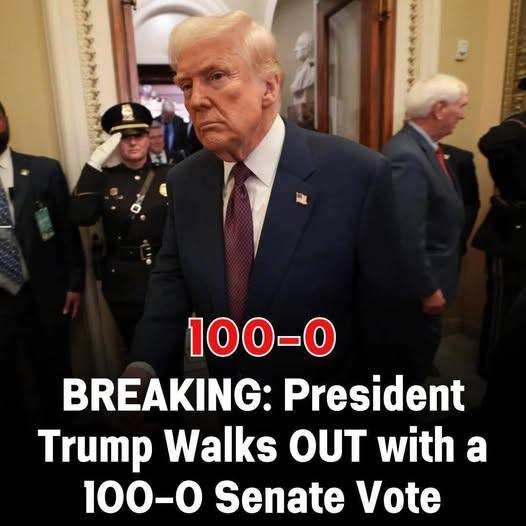
On July 4, 2025, President Donald Trump signed the One Big Beautiful Bill Act, ushering in one of the most sweeping changes to the U.S. tax system in decades. Spanning more than 1,200 pages, the legislation aims to reshape how millions of Americans are taxed, delivering immediate relief to many households while sparking debate over its long-term fiscal impact.
Supporters celebrate the law as a historic step for working families, seniors, and small businesses. Critics, however, warn that the package could add as much as $3.4 trillion to the federal deficit over the next ten years, arguing that short-term gains may come at a steep future cost.
Central to the law is the permanent extension of several earlier tax cuts, lowering individual rates so Americans keep more of their earnings. The bill also introduces new, targeted benefits—most notably, a permanent exemption of tips from federal income tax.
This change directly affects millions of service workers, from restaurant servers and bartenders to hotel staff, delivery drivers, and ride-share operators. While tips must still be reported, they are no longer subject to federal income tax, giving workers an immediate boost in take-home pay.
The legislation also includes provisions for seniors, overtime workers, and small business employees. Overtime pay is now shielded from federal income tax, ensuring extra hours are not penalized. Retirees gain expanded deductions for medical costs, property taxes, and certain charitable donations, offering additional relief on fixed incomes.
Backers argue the law provides layered support—addressing urgent financial needs while strengthening long-term stability. Senator Ted Cruz, one of the bill’s sponsors, said the reforms allow workers to “keep more of what they earn,” especially in industries where paychecks are already thin. Senator Jacky Rosen added that higher disposable income helps both families and the small businesses that employ them.
Skeptics counter that the changes may create distortions. By favoring tipped income, the law benefits service workers more than employees in manufacturing, education, or technology. Some economists worry employers may restructure pay to exploit tax-free tips, potentially increasing income volatility and complicating long-term planning for workers.
The bill reflects a broader philosophy: empowering individuals financially rather than expanding government programs. Supporters say more money in workers’ pockets fuels consumer spending, strengthens local economies, and encourages entrepreneurship.
Early effects are already visible. Many hospitality workers report larger paychecks, while seniors see reduced tax burdens. Economists are watching closely to determine whether these gains translate into sustained growth or deepen the deficit.
Debate over fairness and sustainability continues. Critics note that salaried employees who don’t receive tips may see little benefit, potentially widening disparities. Analysts warn that a rising deficit could affect interest rates, borrowing costs, and future funding for programs like Social Security and Medicare.
Politically, the law fulfills campaign promises to cut taxes for working Americans. Opponents argue it prioritizes immediate political wins over long-term fiscal health. The tip exemption, in particular, has become a flashpoint—praised by workers who feel real relief, and questioned by those concerned about inequity and unintended consequences.
For many in the service sector, the impact is tangible. Workers report less financial stress, higher morale, and greater stability. Some small businesses say the changes have improved retention and even encouraged modest hiring.
Seniors, meanwhile, benefit from reduced taxable income, making healthcare and daily expenses more manageable. Financial advisors note these deductions can improve quality of life while lowering dependence on public assistance.
Still, projections of a multi-trillion-dollar deficit increase fuel ongoing concern. Some economists believe higher consumer spending may offset part of the cost; others argue future lawmakers will be forced to address the gap through spending cuts or tax changes.
The One Big Beautiful Bill Act has become a defining symbol of the administration’s economic vision—placing control in the hands of individuals rather than the state. Supporters view it as empowering; critics fear it may trade long-term stability for short-term relief.
As its effects unfold, the law will serve as a test case for targeted tax reform. Its legacy will be measured not only by bigger paychecks today, but by its influence on growth, debt, and public confidence in economic policy for years to come.