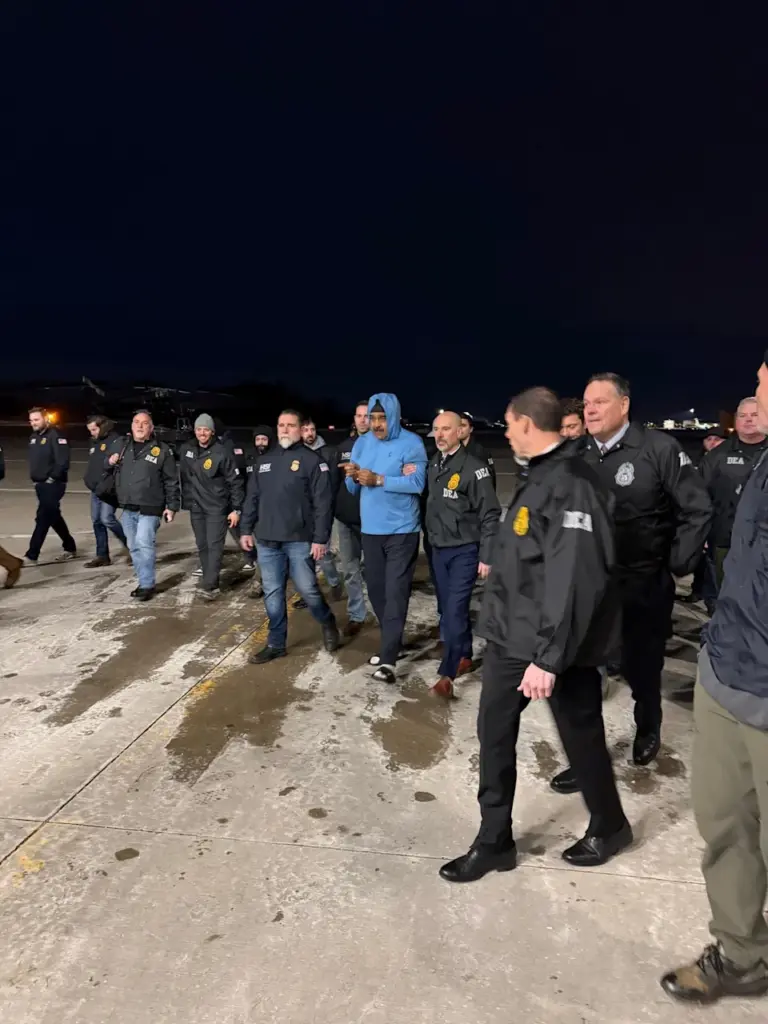
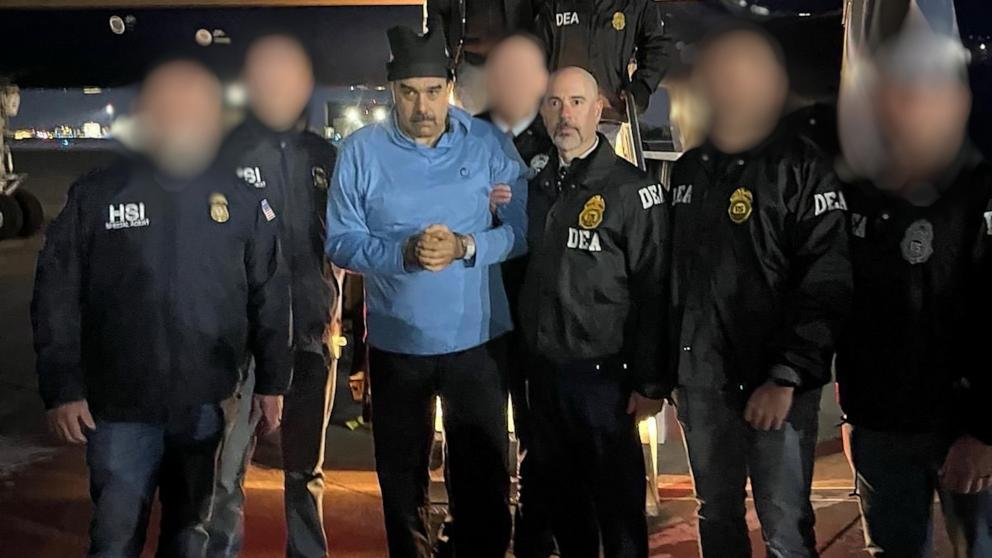
Venezuela remains a country of strategic significance due to its large oil reserves and its geopolitical position in Latin America. U.S. policymakers and international analysts continue to debate how the United States should balance sanctions, diplomacy, and economic engagement to support stability without violating international law.
Trump’s statements come amid broader discussions about the role of the U.S. in Latin America. Experts note that unilateral actions carry legal, ethical, and humanitarian considerations. International norms stress that sovereign nations must maintain authority over internal governance, while foreign powers are encouraged to pursue dialogue, aid, and cooperation to encourage peaceful transitions.
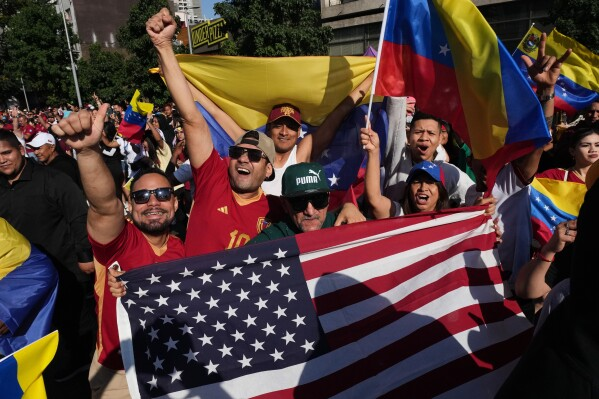
Reactions among global partners have been mixed. Some countries advocate for stronger diplomatic engagement and conflict prevention, while others caution against potential escalation. U.S. lawmakers have emphasized that any policy or military decision requires careful review to align with constitutional authority and international obligations.
Energy and economic analysts are watching closely, noting that Venezuela’s oil resources play a critical role in global markets. Trump suggested that U.S. partnerships in energy could help secure supply chains while promoting investment in regional infrastructure and governance reform.

While the debate continues, one consensus among experts is clear: U.S. engagement in Venezuela must be guided by law, diplomacy, and support for humanitarian needs. The situation underscores the ongoing complexity of foreign policy decisions in the Western Hemisphere and the importance of balancing national security with international stability.