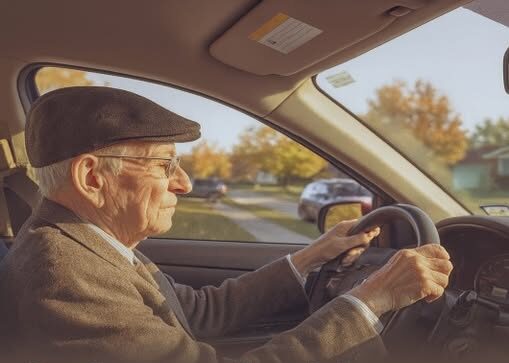
The real question becomes philosophical: is driving a right, or a privilege? For many seniors, a car is more than a means of transportation—it’s independence, identity, and connection to community. Losing the ability to drive can mean isolation, dependency, and a loss of purpose. The goal shouldn’t be to take keys away, but to help older adults drive safely for as long as possible.
Experts emphasize proactive solutions. Voluntary medical checkups help seniors assess vision, reflexes, and cognitive function before issues become dangerous. Recommendations can be modest but effective—restricting driving to daytime, avoiding highways, or bypassing complex intersections. The point isn’t punishment; it’s safety.
Refresher courses for senior drivers are another growing trend. These programs update motorists on traffic laws, road layouts, and emerging vehicle technologies, from blind-spot alerts to automatic braking systems. Many seniors haven’t revisited driving rules in decades, and these brief, focused sessions can make a significant difference. Instructors report that participants often feel both relieved and empowered—recognizing limitations while gaining confidence.
Vehicle adaptations also play a role. Switching to automatic transmission reduces physical strain, while larger mirrors, rearview cameras, and driver-assist technologies compensate for age-related limitations. Community workshops teach these adjustments, demonstrating that safe driving is as much about preparation as skill.
One-on-one instruction tailored to older drivers further reinforces safety. These sessions identify subtle warning signs like delayed responses or confusion in heavy traffic, while maintaining respect and dignity. Open dialogue replaces judgment, creating a learning environment rather than a testing one.
Equally important is public messaging. Fear and blame are counterproductive. Many seniors drive safely for decades, and highlighting isolated incidents can foster resentment rather than change. Encouraging awareness, education, and practical support builds safer roads more effectively than stigmatization ever could.
Experience counts, too. Older drivers often compensate for slower reflexes with better judgment, patience, and adherence to rules. The goal should be to amplify this wisdom, not undermine it.
Around the world, countries are experimenting with different approaches. In the UK, drivers over 70 renew licenses every three years with self-declared medical fitness. In Sweden, a doctor’s note is required after 75. In Japan, drivers over 75 take cognitive tests before license renewal. Each system seeks balance between personal freedom and collective safety.
France’s emphasis on personal responsibility respects autonomy—but as the senior population grows, the approach may need adjustment. By 2050, nearly one in three French citizens will be over 60, meaning more elderly drivers on the road and higher stakes for safety.
Ultimately, senior driving isn’t about policing—it’s about partnership. Voluntary checkups, awareness programs, adaptive vehicles, safer infrastructure, and open family conversations all contribute to safer roads. Loved ones often notice the first signs of change, from missed turns to slower reactions. These conversations can be difficult but are essential when approached with empathy.
Driving represents more than mobility; it’s dignity. Taking it away unnecessarily erases freedom. Supporting safe senior driving requires honesty, preparation, and community effort. With checkups, training, and adaptations, older adults can continue to drive safely, confidently, and independently.
The question isn’t whether seniors should drive—it’s how they can drive safely. And with thoughtful tools, policies, and support, aging can remain a stage of freedom, not restriction. Sharing the road wisely benefits everyone, regardless of age.
Have a senior driver in your life? Share your tips for staying safe on the road in the comments below and help keep our communities moving confidently and responsibly!