 News
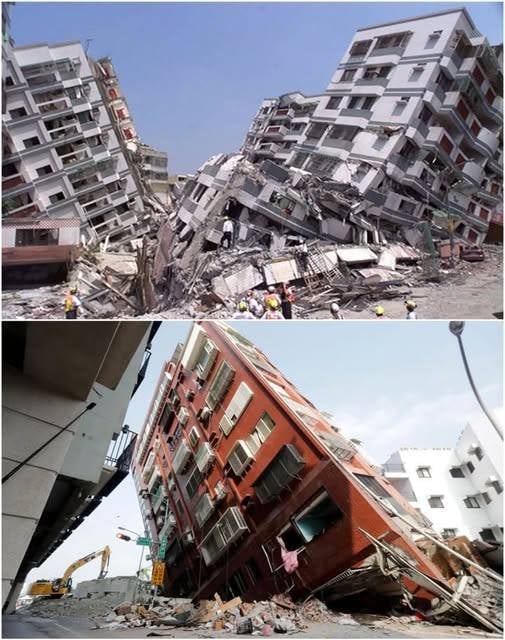
News Earthquake of large magnitude leaves the city in pieces! See more
Late Wednesday night, a massive magnitude 8.2 earthquake shook the Alaska Peninsula, just east-southeast of Perryville. The quake hit around 10:15 p.m. local time on July 28, 2021, with its epicentre roughly 32 km below the ocean floor. (USGS)
This isn’t surprising to experts: the region lies along the subduction zone where the Pacific Plate dives beneath North America, part of the notorious Ring of Fire. While powerful, the quake struck offshore in a sparsely populated area, which limited severe damage and casualties.
Almost immediately, tsunami warnings were issued for Kodiak Island, Aleutian passages, and other coastal communities. Sirens blared, alert systems activated, and Alaska’s Governor confirmed the Emergency Operations Center was fully mobilized. (ASU News, NGDC)
The main tremor triggered multiple aftershocks, some exceeding magnitude 6.0. Scientists warn that such aftershock sequences can continue for weeks or months, especially after an earthquake of this size. (Alaska Earthquake Center)
Residents across southern Alaska felt shaking—light to moderate in Anchorage—with minor cracks or shifted furniture reported. Monitoring buoys recorded only small sea-level changes, often less than a meter, confirming the tsunami threat was limited. Emergency managers downgraded warnings to advisories once data showed no immediate danger.
Historically, the region has produced major earthquakes, including a similar event in 1938. Experts stress that large offshore quakes are inevitable due to long-term tectonic stress. The July 2021 quake became the largest U.S. earthquake in over 50 years. (Wikipedia)
The event served as a wake-up call for local communities. Roads, communications, and public safety systems were checked immediately. Coastal residents stayed clear of beaches until authorities confirmed it was safe. Emergency drills, tsunami-readiness campaigns, and infrastructure reviews were renewed in the aftermath.
 Up Next: Page 2 of 2
For residents, the quake was a visceral reminder of how quickly life...
On the policy side, Alaska’s emergency response was tested in real time. Coordination between state and federal agencies, warning systems, and public...
Continue Reading