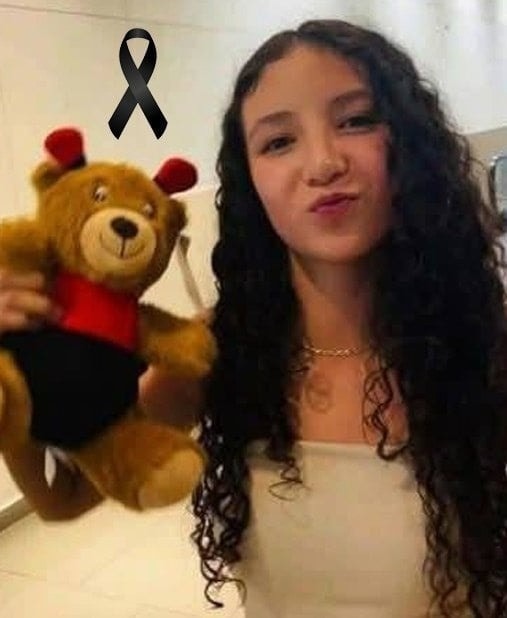
Dr. Laura Kim, a reconstructive surgeon, called the tragedy “a heartbreaking reminder that online beauty hacks can kill.” She explained that non-medical silicone can be toxic and even a small amount injected incorrectly can travel through the bloodstream and cause fatal damage. “If it’s not done by a licensed professional using approved materials, the risk is enormous,” she said.
Authorities have launched an investigation into where the product came from. Early findings point to an overseas online marketplace operating without safety regulations or age restrictions — a growing issue as dangerous materials circulate freely across borders.
In the days following her death, classmates gathered outside her school for a candlelight vigil. They left flowers, photos, and handwritten notes. Many wept as they spoke of her kindness and sense of humor. “She didn’t deserve this,” one student said softly. “She just wanted to fit in.”
Psychologists say her story exposes a deeper issue — the growing pressure young people face to meet unrealistic beauty ideals. Platforms like TikTok and Instagram often showcase heavily edited images and “before-and-after” transformations that make perfection seem easy, normal, and necessary.
“The problem is, teens don’t see the filters, the editing, or the surgeries,” said child psychologist Dr. Renee Matthews. “They just see what they think is ‘normal.’ And when their reality doesn’t match that image, they start feeling broken.”
Experts urge parents to talk openly with their children about body image and online influence. Honest, judgment-free conversations can make the difference between curiosity and catastrophe. They also stress the need for stronger online safety laws to stop unlicensed sellers from targeting minors.
Lawmakers in several states are already considering new regulations to block the sale of unapproved cosmetic materials to underage buyers. Meanwhile, schools and youth programs are being encouraged to introduce body image education and counseling into their curriculums.
Her funeral drew hundreds from across the community. Friends, teachers, and strangers filled the small church to say goodbye. White lilies surrounded her casket as photos of her smiling with family and friends played in a quiet slideshow.
Her father, voice trembling, told mourners, “We let her believe she had to change to be loved. We all did.”
Across social media, her story has spread worldwide. Many users are sharing her story as a warning, urging others to think twice before trusting viral beauty advice. “No trend is worth your life,” one commenter wrote. “Beauty should never come at this price.”
Health organizations are now using her case to raise awareness about the hidden dangers of DIY cosmetic procedures. They stress that even small, at-home attempts can have devastating consequences when unregulated materials are involved.
As her family grieves, they hope her story will prevent others from making the same mistake. Local officials are planning a campaign in her name — one that will teach teens about body positivity, media literacy, and the importance of self-acceptance.
Her aunt summed it up best: “She just wanted to feel beautiful. She didn’t realize she already was.”
Her story is a painful reminder that real beauty isn’t found in trends, filters, or injections — it’s found in being yourself.
In a world chasing perfection, her loss is a call to protect our youth from the illusion of flawlessness. No like, no trend, and no filter is worth a life.
❤️ If this story moved you, share it — not for attention, but for awareness. Let’s remind every young person that they don’t need to change to be enough.