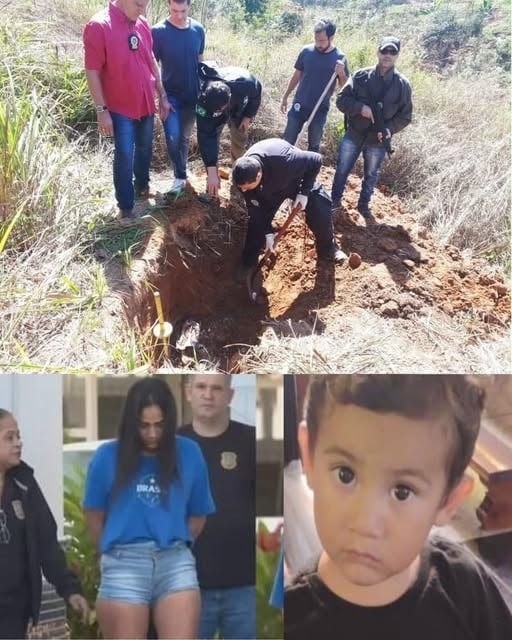
Authorities quickly confirmed that no crime had taken place — it was simply a massive misunderstanding caused by a communication breakdown. “We would rather respond a hundred times to a false alarm than miss one real emergency,” the police chief said at a briefing. “This case ended well, but it shows how fast things can spiral when people assume the worst.”
In total, more than fifty officers and dozens of volunteers had joined the effort, scouring parks, lakes, and wooded areas. Many in the community expressed both relief and admiration for how quickly people united to help. “Everyone came together — bringing flashlights, food, blankets,” a volunteer shared. “That’s something to be proud of.”
Experts say the case highlights how social media, while powerful in emergencies, can also amplify confusion when information is incomplete. “Good intentions can spread panic just as fast as facts,” said crisis analyst Maria O’Connell. “This was a lesson in both empathy and communication.”
The mother, who is not facing any charges, expressed deep gratitude for the concern and acknowledged the misunderstanding. “I never meant to scare anyone,” she said. “I just wanted time with my little boy. I should’ve let someone know.”
Now, the child who unintentionally became the center of a statewide search is back to his normal routine — laughing, playing, and blissfully unaware of how close his name came to becoming a tragedy.
Sometimes, a simple phone call can prevent a full-blown crisis. And in this case, a misunderstanding turned into a miracle ending — one that reminded an entire community just how powerful care and connection can be.
What do you think — did social media help or hurt in this situation? Share your thoughts and experiences below.