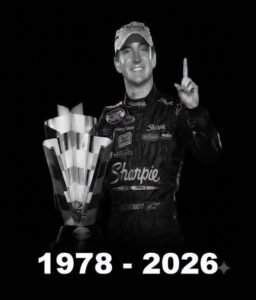
In this case, the supplied text does not identify the source of the alleged announcement. It provides no direct statement from family members, no confirmation from official representatives, and no supporting report from a reputable news organization.
Those omissions are significant.
A claim about a public figure's death should not be accepted simply because it appears in a headline or is repeated by multiple social media accounts. Responsible reporting requires reliable evidence, preferably a direct statement from an authorized source corroborated by established news outlets.
Until such evidence is available, describing Busch as deceased would risk misleading readers and causing unnecessary distress to his family, friends, and fans.
The appropriate response is to distinguish clearly between what is documented about his career and what remains unconfirmed in the supplied announcement.
A Legacy That Deserves More Than a Sensational Headline
Kurt Busch's achievements in NASCAR stand on their own. His 2004 championship, 34 Cup Series victories, and long career in one of the world's most competitive racing environments represent a substantial sporting legacy.
His experience also highlights the physical risks professional drivers face. Racing demands exceptional concentration, reflexes, and courage, while crashes can have consequences that extend far beyond a single event.
Busch's concussion and subsequent retirement brought attention to the challenges athletes can encounter when recovering from significant injuries. His career transition was an important personal and professional development, independent of any unsupported reports about his death.
For the racing community, remembering his accomplishments means acknowledging both his successes on the track and the difficult circumstances that shaped the later stages of his career.
 Up Next: Page 4 of 4
It also means treating news about his life with the care and...
Before sharing a post claiming that a beloved athlete has died, readers can take a few simple steps:
Continue Reading